Why Are Bees Important For Our Environment
Why Are Bees Important
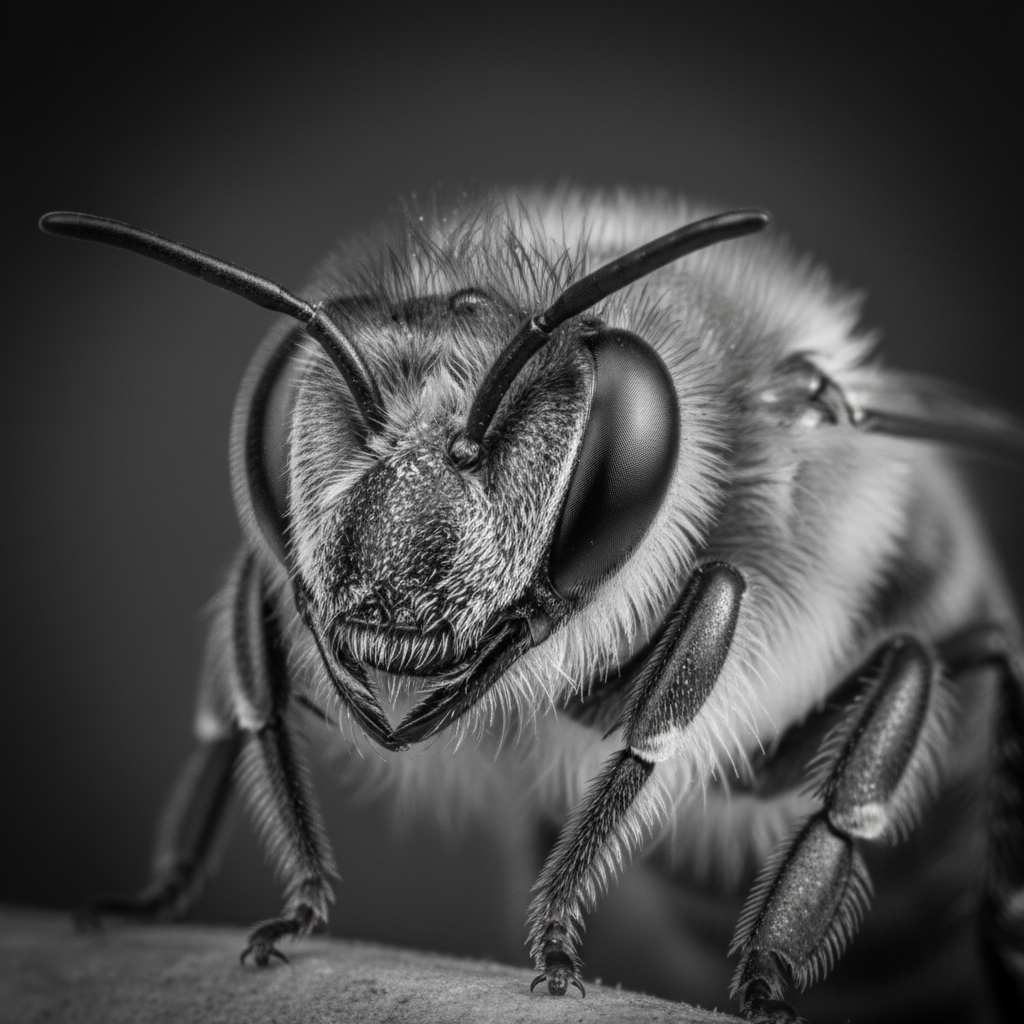
Bees hold a place in the natural world that is far more significant than their small size suggests, shaping ecosystems in ways that ripple across landscapes, food systems, and human wellbeing. Their daily movements support the reproduction of countless plants, many of which form the backbone of natural habitats and agricultural production. When bees thrive, ecosystems become more stable, diverse, and resilient, creating environments that support life at every level. Their importance becomes clearer when we look closely at how they interact with plants, soil, wildlife, and climate systems.
The Hidden Architecture Of Bee Societies
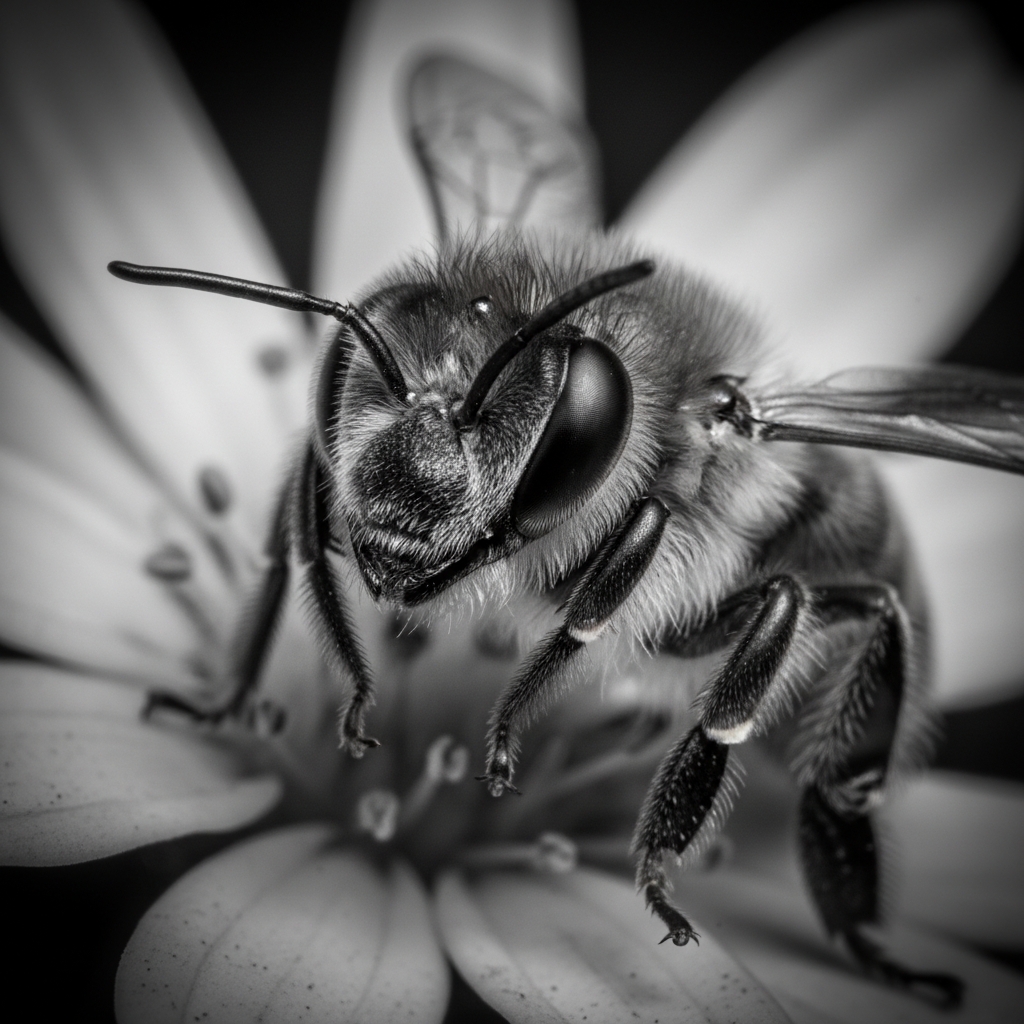
Bee societies operate with remarkable organisation, forming living structures built on communication, cooperation, and instinctive coordination. Inside a hive, bees share information through scent trails, vibrations, and intricate movements that guide foraging, defence, and hive maintenance. This internal architecture allows colonies to adapt quickly to environmental changes, ensuring survival even when conditions shift unexpectedly. Their social systems demonstrate how collective behaviour can create stability in complex environments. The hive becomes a model of natural efficiency.
Bee Society Table
| Hive Element | Environmental Function |
|---|---|
| Worker Bees | Pollination and foraging |
| Queen Bee | Colony continuity |
| Drone Bees | Genetic diversity |
| Wax Cells | Storage and protection |
The Way Bees Shape Plant Evolution
Bees influence plant evolution by favouring flowers that offer efficient access to nectar and pollen, creating long‑term partnerships between pollinators and plants. Over generations, flowers adapt their colours, scents, and structures to attract bees more effectively, strengthening ecological relationships. This evolutionary dance supports biodiversity by encouraging plants to diversify and specialise. When bees thrive, plant species evolve in ways that enhance ecosystem resilience. Evolution becomes a shared journey between species.
Plant Evolution Points
- Flowers adapt to bee preferences
- Colour patterns attract pollinators
- Scent guides bee navigation
- Shape influences pollination success
- Evolution strengthens ecosystems
The Influence Of Bees On Agricultural Landscapes
Agricultural landscapes depend heavily on bees to maintain productivity, especially in regions where crops require consistent pollination. When bees visit farms, they enhance the quality, size, and abundance of fruits and vegetables, supporting both local and global food systems. Their presence strengthens soil health, crop rotation, and long‑term agricultural resilience. Without bees, farms would face reduced yields and increased vulnerability to environmental stress. Bees become essential partners in sustainable agriculture.
Agricultural Landscape Table
| Crop Type | Bee Impact |
|---|---|
| Orchard Fruits | Higher yield quality |
| Vegetables | Improved pollination |
| Oilseed Plants | Increased seed production |
| Legumes | Stronger growth cycles |
The Relationship Between Bees And Seasonal Cycles
Bees respond to seasonal cycles with remarkable precision, adjusting their behaviour based on temperature, daylight, and plant availability. Spring triggers foraging, summer brings peak activity, and autumn encourages preparation for colder months. These seasonal rhythms ensure that bees support ecosystems at the moments when plants need them most. When seasons shift due to climate changes, bees must adapt quickly to survive. Their sensitivity to seasonal cues makes them indicators of environmental health.
Seasonal Cycle Points
- Spring activates foraging
- Summer increases pollination
- Autumn prepares hives
- Winter slows activity
- Seasonal shifts affect survival
The Way Bees Strengthen Ecosystem Resilience
Bees contribute to ecosystem resilience by supporting plant diversity, which stabilises food webs and natural cycles. When bees pollinate a wide range of species, they help ecosystems recover more quickly from disturbances such as storms, droughts, or human impact. Diverse plant life supports insects, birds, and mammals, creating a balanced environment that can withstand change. Bees act as connectors within these systems, linking species through their pollination work. Resilience grows from their presence.
Ecosystem Resilience Table
| Resilience Factor | Bee Contribution |
|---|---|
| Plant Diversity | Broader pollination |
| Food Web Stability | Stronger foundations |
| Habitat Strength | Continuous growth |
| Recovery Speed | Faster regeneration |
The Role Of Bees In Pollination
Bees are among the most effective pollinators on the planet, transferring pollen between flowers as they collect nectar. This process allows plants to produce fruits, seeds, and new growth, supporting entire ecosystems. Many crops rely heavily on bee pollination, making bees essential to global food production. Without them, yields would drop and natural plant diversity would decline. Pollination becomes a foundation of environmental health.
Pollination Table
| Plant Type | Bee Contribution |
|---|---|
| Fruit Trees | Higher yields |
| Vegetables | Improved growth |
| Wildflowers | Biodiversity support |
| Seed Crops | Reproduction success |
The Way Bees Support Food Security
Bees help maintain food security by ensuring that crops receive the pollination they need to thrive. Many of the foods people enjoy daily depend on bees, from berries to nuts and countless vegetables. When bee populations decline, food availability becomes more vulnerable. Their work strengthens agricultural stability. Bees become silent partners in global nutrition.
Food Security Points
- Bees support crop diversity
- Pollination increases yields
- Many foods rely on bees
- Declines affect supply chains
- Bees strengthen food resilience
The Importance Of Bees In Biodiversity
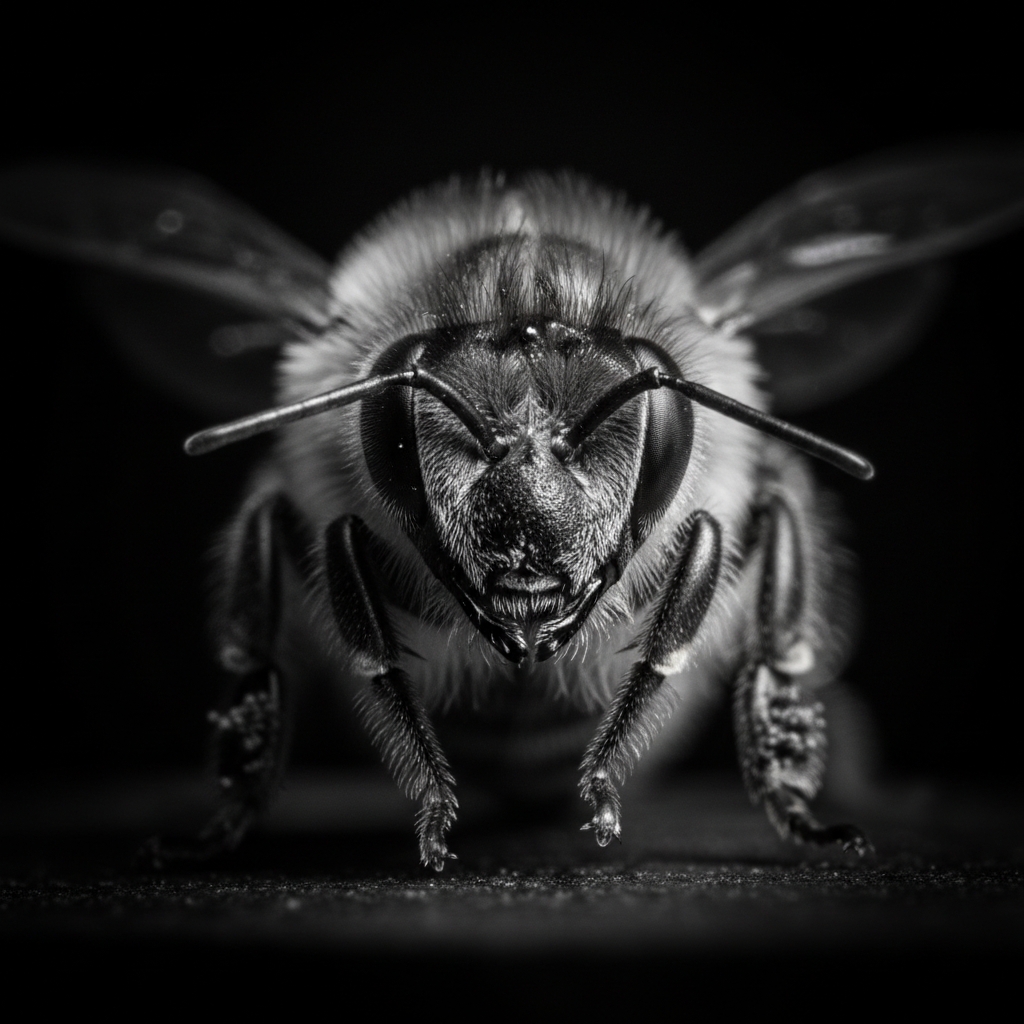
Bees help maintain biodiversity by supporting the reproduction of a wide range of plant species. When bees thrive, ecosystems become more balanced and resilient. Biodiversity strengthens environmental stability. Bees become guardians of natural variety.
Biodiversity Table
| Ecosystem Element | Bee Influence |
|---|---|
| Wild Plants | Reproduction |
| Forest Edges | Habitat support |
| Meadows | Species richness |
| Shrublands | Pollination balance |
The Relationship Between Bees And Healthy Soil
Bees indirectly support soil health by helping plants grow and reproduce. Strong plant systems stabilise soil, reduce erosion, and improve nutrient cycles. When bees pollinate plants, they contribute to the growth of root systems that hold soil together. Healthy soil supports entire ecosystems. Bees become part of the foundation beneath our feet.
Soil Health Points
- Plants stabilise soil
- Pollination supports root growth
- Healthy soil reduces erosion
- Nutrient cycles improve
- Bees strengthen soil ecosystems
The Way Bees Influence Natural Landscapes
Bees shape landscapes by supporting the growth of flowering plants that define the character of natural areas. Meadows, forests, and grasslands all depend on pollination to maintain their structure. When bees are present, landscapes flourish with colour and diversity. Their absence can lead to noticeable changes in plant composition. Bees help landscapes thrive.
Landscape Influence Table
| Landscape Type | Bee Impact |
|---|---|
| Meadows | Flower abundance |
| Forests | Understory growth |
| Grasslands | Plant diversity |
| Wetlands | Pollinator‑dependent species |
The Connection Between Bees And Wildlife
Many animals rely on bee‑pollinated plants for food, shelter, and nesting materials. Birds, insects, and mammals all benefit from the presence of healthy plant communities. When bees support plant reproduction, they indirectly support wildlife survival. This connection highlights how deeply bees are woven into natural systems. Wildlife depends on their work.
Wildlife Support Points
- Plants feed animals
- Flowers attract insects
- Seeds support birds
- Habitat grows with pollination
- Bees strengthen food chains
The Role Of Bees In Human Culture
Bees have been part of human culture for centuries, symbolising hard work, community, and resilience. Many traditions, stories, and practices reflect the importance of bees in daily life. Their presence in gardens and farms has shaped cultural relationships with nature. Bees remind people of the value of cooperation and balance. Culture grows alongside nature.
Cultural Role Table
| Cultural Element | Bee Influence |
|---|---|
| Symbolism | Community and effort |
| Agriculture | Traditional practices |
| Art | Natural inspiration |
| Folklore | Environmental lessons |
The Economic Value Of Bees
Bees contribute billions of dollars to global economies through their pollination services. Farmers rely on bees to maintain crop productivity, and many industries depend on bee‑supported agriculture. When bee populations decline, economic losses can be significant. Their value extends far beyond honey production. Bees become economic assets.
Economic Value Points
- Pollination boosts crop income
- Industries rely on bee‑supported foods
- Declines increase costs
- Bees support rural economies
- Economic stability grows with pollinators
The Importance Of Native Bees
Native bees play a unique role in pollinating plants that honeybees may overlook. These species have evolved alongside local plants, creating specialised relationships that support regional ecosystems. Native bees often work in different weather conditions and pollinate in ways that complement honeybees. Their presence strengthens ecological resilience. Native species become essential partners.
Native Bee Table
| Bee Type | Ecological Role |
|---|---|
| Blue Banded Bee | Buzz pollination |
| Leafcutter Bee | Nest building |
| Resin Bee | Plant diversity |
| Carpenter Bee | Large flower pollination |
The Threats Bees Face In Modern Environments
Bees face numerous challenges, including habitat loss, pesticides, climate shifts, and reduced food sources. These pressures weaken bee populations and disrupt their ability to support ecosystems. When bees struggle, the environment feels the impact. Protecting bees requires awareness and action. Threats highlight the need for change.
Bee Threat Points
- Habitat loss reduces food
- Chemicals harm bee health
- Climate shifts disrupt cycles
- Monocultures limit diversity
- Stress weakens colonies
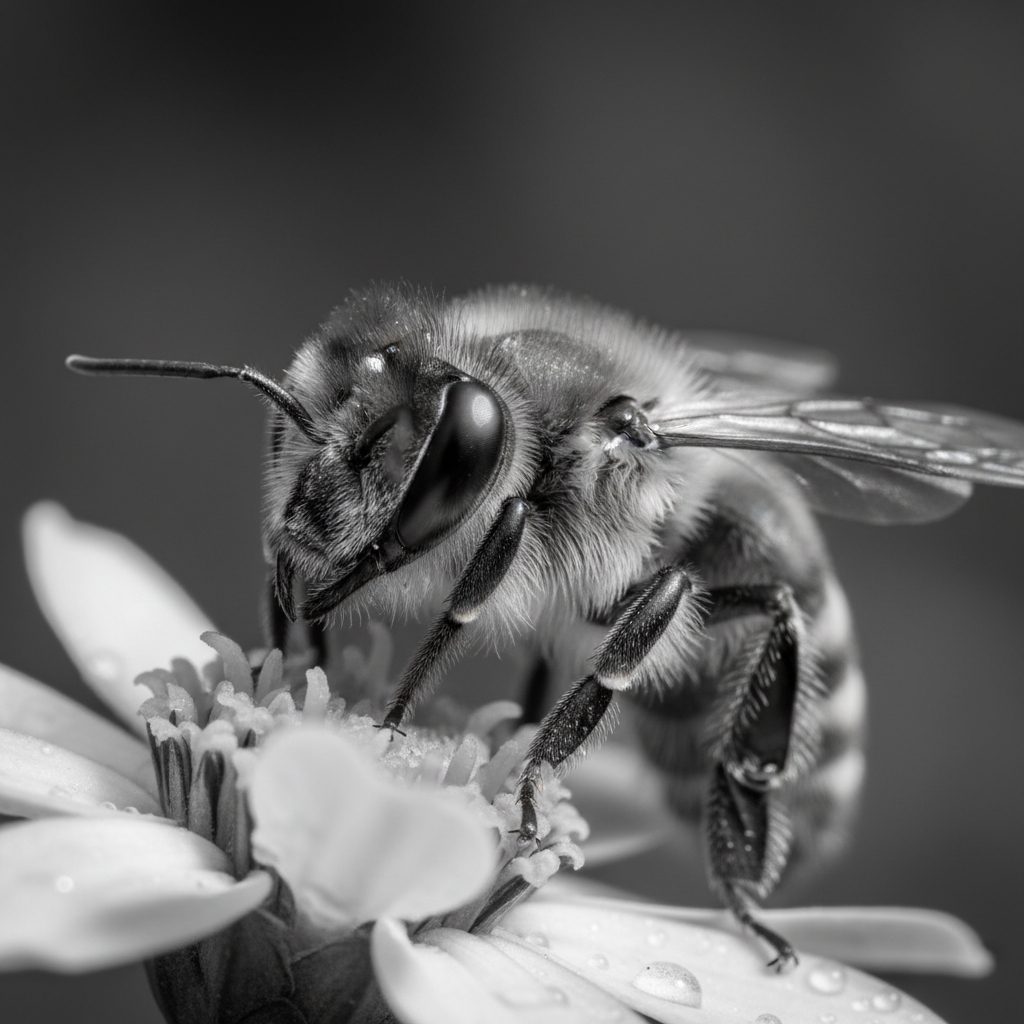
The Way Gardens Can Support Bee Populations
Gardens can become safe havens for bees when planted with diverse, nectar‑rich flowers. Even small spaces can provide food, shelter, and resting spots. People can support bees by choosing native plants and avoiding harmful chemicals. Gardens become miniature ecosystems. Every flower helps.
Garden Support Table
| Garden Element | Bee Benefit |
|---|---|
| Native Plants | Familiar food |
| Flower Variety | Seasonal support |
| Water Sources | Hydration |
| Safe Spaces | Resting areas |
The Importance Of Bees In Seed Production
Many plants rely on bees to produce seeds that ensure future generations. These seeds support wildlife, agriculture, and natural regeneration. Without bees, seed production would decline, affecting entire ecosystems. Bees help maintain the continuity of plant life. Seeds become part of their legacy.
Seed Production Points
- Pollination creates seeds
- Seeds support wildlife
- Plants regenerate naturally
- Agriculture depends on seeds
- Bees ensure future growth
The Relationship Between Bees And Climate Stability
Bees contribute to climate stability by supporting plant growth, which helps absorb carbon and regulate ecosystems. Healthy plant communities reduce erosion, improve soil, and maintain natural cycles. When bees thrive, these systems function more effectively. Climate stability grows from ecological balance. Bees become quiet climate allies.
Climate Stability Table
| Environmental Process | Bee Contribution |
|---|---|
| Carbon Absorption | Plant growth |
| Soil Protection | Root support |
| Water Cycles | Vegetation health |
| Habitat Stability | Pollination strength |
The Future Of Bees And Environmental Health
The future of environmental health is closely tied to the wellbeing of bee populations. As ecosystems change, bees will play a crucial role in maintaining balance and supporting biodiversity. Protecting bees ensures that natural systems remain strong and resilient. Their future shapes our own. Bees become indicators of environmental strength.
Future Health Points
- Bees reflect ecosystem health
- Protection supports biodiversity
- Strong populations stabilise nature
- Future resilience depends on bees
- Environmental health grows with pollinators
Conclusion
Bees are essential to the environment because they support pollination, biodiversity, food security, and ecological balance. Their work influences landscapes, wildlife, and human wellbeing in ways that often go unnoticed. When bee populations thrive, ecosystems become stronger and more resilient. Understanding their importance encourages people to protect and support them. Bees become vital partners in the future of the planet.
Join The Discussion
What is one meaningful action you believe every person could take to help protect bees in their local environment?