
What Does A Moat Do To The Environment Around It
What Does A Moat Do
A moat may seem like a simple body of water surrounding a structure, yet its influence on the surrounding environment reaches far beyond its physical boundaries. The presence of a moat changes how water moves, how plants grow, and how wildlife interacts with the landscape, creating a miniature ecosystem that behaves differently from the land around it. These changes can be subtle or dramatic depending on the size, depth, and purpose of the moat, shaping everything from soil moisture to local biodiversity. When a moat is introduced into a landscape, it becomes a new environmental force that alters the balance between land and water.

The Foundations Of A Moat’s Environmental Influence
A moat alters the immediate environment by introducing a permanent water source that changes soil conditions, humidity, and microclimates. This water body can cool the surrounding air, increase moisture levels, and create habitats for aquatic and semi‑aquatic species. The presence of water also affects plant growth, encouraging species that thrive in damp conditions while discouraging those that prefer dry soil. Over time, the moat becomes a stabilising or destabilising force depending on how it is maintained. The environment adjusts to the new presence of water.
Moat Influence Table
| Environmental Factor | Moat Effect |
|---|---|
| Soil Moisture | Increased saturation |
| Air Temperature | Local cooling |
| Plant Growth | Damp‑tolerant species |
| Wildlife Activity | New habitats |
The Way Water Levels Shape Surrounding Land
Water levels in a moat influence how the surrounding soil behaves, affecting erosion, compaction, and nutrient distribution. When water levels rise, nearby soil absorbs moisture, becoming softer and more prone to shifting. When levels fall, the soil dries and contracts, creating cracks and changes in structure. These fluctuations create a dynamic environment that plants and animals must adapt to. Water becomes a sculptor of the landscape.
Water Level Points
- Rising water softens soil
- Falling water dries the ground
- Soil structure shifts over time
- Plants adapt to moisture changes
- Wildlife responds to new conditions
The Role Of Aquatic Plants In Moat Ecosystems
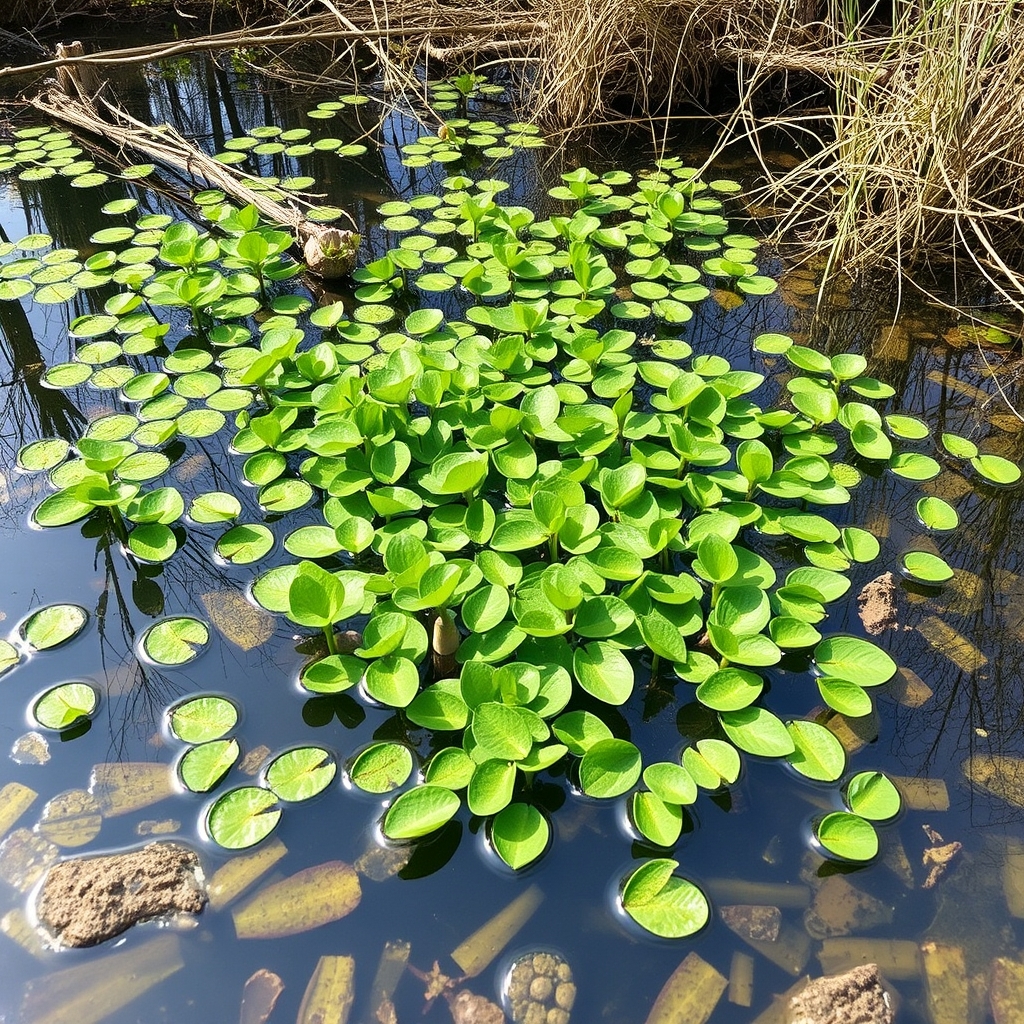
Aquatic plants help stabilise a moat by filtering water, providing shelter for wildlife, and reducing erosion along the edges. These plants create a natural buffer that protects the surrounding land from sudden changes in water movement. Their roots anchor the soil, while their leaves offer shade that cools the water and supports aquatic life. Over time, plant communities shape the identity of the moat. Vegetation becomes a quiet engineer of stability.
Aquatic Plant Table
| Plant Type | Environmental Benefit |
|---|---|
| Reeds | Erosion control |
| Water Lilies | Shade and cooling |
| Duckweed | Nutrient absorption |
| Rushes | Habitat creation |
The Influence Of Wildlife On Moat Environments
Wildlife interacts with moats in ways that reshape both the water and the land around it. Birds, insects, amphibians, and small mammals use the moat as a source of food, shelter, and hydration. Their movements spread seeds, disturb soil, and influence plant growth. As wildlife activity increases, the moat becomes a hub of ecological interaction. Animals turn the moat into a living corridor.
Wildlife Influence Points
- Animals spread seeds
- Movement shapes soil
- Birds use water for feeding
- Amphibians thrive in damp areas
- Wildlife increases biodiversity
The Way A Moat Affects Local Microclimates
A moat creates a microclimate by moderating temperature, increasing humidity, and influencing wind patterns. Water absorbs heat during the day and releases it slowly at night, creating more stable conditions around the moat. This stability affects how plants grow and how animals behave. Microclimates can extend several metres beyond the water’s edge. The moat becomes a climate shaper.
Microclimate Table
| Microclimate Feature | Moat Impact |
|---|---|
| Temperature | Stabilisation |
| Humidity | Increased moisture |
| Wind Movement | Reduced speed |
| Plant Growth | Enhanced diversity |
The Importance Of Soil Moisture Near Moats
Soil near a moat tends to remain moist for longer periods, influencing which plants can thrive and how nutrients move through the ground. Moist soil supports fungi, insects, and microorganisms that break down organic matter. This creates a richer environment that supports more complex ecosystems. Moisture becomes a driver of biological activity. The land becomes more fertile.
Soil Moisture Points
- Moist soil supports microorganisms
- Nutrients move more freely
- Plants grow in richer conditions
- Soil structure becomes softer
- Moisture shapes biodiversity
The Relationship Between Moats And Erosion
Moats can either reduce or increase erosion depending on how they are designed and maintained. Stable banks with vegetation prevent soil from washing away, while steep or bare edges can crumble over time. Water movement also influences erosion, especially during storms or high flow periods. Erosion becomes a sign of environmental balance or imbalance. The moat becomes a sculptor of landforms.
Erosion Table
| Erosion Factor | Moat Effect |
|---|---|
| Bank Stability | Influenced by vegetation |
| Water Flow | Shapes soil movement |
| Soil Type | Determines erosion rate |
| Plant Cover | Reduces degradation |
The Way Moats Support Insect Populations
Moats attract insects that rely on water for breeding, feeding, or hydration. These insects become part of the local food web, supporting birds, amphibians, and small mammals. Some insects help pollinate nearby plants, while others contribute to decomposition. The moat becomes a centre of insect activity. Insects turn the water into a thriving ecosystem.
Insect Influence Points
- Water supports breeding
- Insects feed larger animals
- Pollinators thrive near moisture
- Decomposers enrich soil
- Insect diversity increases
The Role Of Water Quality In Environmental Impact
Water quality determines how healthy the moat ecosystem becomes and how it influences the surrounding land. Clean water supports diverse species, while polluted water harms plants, animals, and soil. Nutrient levels, clarity, and oxygen content all shape environmental outcomes. Water quality becomes a measure of ecological health. The moat reflects the care it receives.
Water Quality Table
| Water Condition | Environmental Outcome |
|---|---|
| Clear Water | Healthy ecosystems |
| High Nutrients | Algae growth |
| Low Oxygen | Reduced wildlife |
| Pollutants | Soil and plant damage |
The Influence Of Human Maintenance On Moat Environments
Human maintenance affects how the moat evolves over time, shaping everything from water levels to plant growth. Regular cleaning, controlled vegetation, and careful water management create stable conditions. Neglect, however, can lead to stagnation, overgrowth, or pollution. Human involvement becomes a defining factor in environmental outcomes. The moat responds to the hands that manage it.
Human Maintenance Points
- Cleaning prevents stagnation
- Vegetation control shapes habitats
- Water management stabilises levels
- Neglect leads to imbalance
- Human care influences biodiversity
The Way Moats Affect Nearby Plant Communities
Plants near a moat experience different conditions than those farther away, including higher moisture, cooler temperatures, and richer soil. These conditions favour species that thrive in damp environments, creating a distinct plant community. Over time, this community expands or contracts depending on water levels and soil changes. The moat becomes a boundary between ecosystems. Plants adapt to the presence of water.
Plant Community Table
| Plant Type | Moat Influence |
|---|---|
| Moisture Lovers | Increased growth |
| Shade Tolerant | Thrive near banks |
| Deep Rooted Species | Stabilise soil |
| Flowering Plants | Attract pollinators |
The Importance Of Edge Habitats Around Moats
The edge of a moat forms a transitional zone where land and water meet, creating a unique habitat that supports diverse species. These edge habitats offer shelter, food, and breeding areas for animals that rely on both environments. The complexity of this zone increases biodiversity and strengthens ecological resilience. Edge habitats become hotspots of activity. The moat becomes a connector of ecosystems.
Edge Habitat Points
- Supports diverse species
- Provides shelter and food
- Encourages ecological balance
- Strengthens resilience
- Connects land and water
The Relationship Between Moats And Groundwater
Moats can influence groundwater by adding moisture to the soil and altering how water moves beneath the surface. This can raise the water table in nearby areas, affecting plant growth and soil conditions. Groundwater interactions also influence long term environmental stability. The moat becomes part of the underground water network. Water moves in unseen ways.
Groundwater Table
| Groundwater Effect | Environmental Impact |
|---|---|
| Raised Water Table | Increased moisture |
| Soil Saturation | Plant changes |
| Water Movement | Nutrient shifts |
| Long Term Storage | Ecosystem stability |
The Way Moats Influence Local Temperature
Water absorbs and releases heat more slowly than land, creating temperature differences that influence the surrounding environment. This effect can moderate extreme temperatures, making the area around the moat slightly cooler during the day and warmer at night. These temperature shifts affect plant growth and wildlife behaviour. The moat becomes a natural temperature regulator. Climate becomes more stable.
Temperature Influence Points
- Water cools daytime heat
- Night warmth increases
- Plants respond to stability
- Wildlife adapts to comfort
- Temperature swings soften
The Role Of Sediment In Moat Environments
Sediment accumulates in moats over time, carrying nutrients, organic matter, and minerals that shape water quality and plant growth. This sediment can enrich the ecosystem or create challenges depending on its composition. Sediment movement also influences water depth and flow. The moat becomes a collector of environmental history. Layers of soil tell a story.
Sediment Table
| Sediment Type | Environmental Effect |
|---|---|
| Organic Matter | Supports plant life |
| Fine Silt | Reduces clarity |
| Sand | Stabilises banks |
| Clay | Alters water flow |

The Influence Of Moats On Human Perception Of Nature
Moats change how people experience the environment by adding visual interest, sound, and movement to the landscape. The presence of water creates a sense of calm and connection to natural processes. People often gather near moats to observe wildlife or enjoy the scenery. Human perception becomes part of the environmental impact. The moat becomes a place of reflection.
Human Perception Points
- Water creates calmness
- Wildlife draws attention
- Movement adds interest
- Sound enhances atmosphere
- People connect with nature
The Future Of Moats As Environmental Features
Modern moats may serve ecological purposes beyond their historical defensive roles, supporting biodiversity, water management, and landscape design. As environmental awareness grows, moats can be integrated into sustainable planning. Their ability to create habitats and regulate microclimates makes them valuable features. The future may see moats used in new and innovative ways. Water becomes a tool for ecological design.
Future Moat Table
| Future Use | Environmental Benefit |
|---|---|
| Habitat Creation | Increased biodiversity |
| Water Storage | Climate resilience |
| Landscape Cooling | Temperature moderation |
| Ecological Corridors | Wildlife movement |
Conclusion
A moat does far more than surround a structure with water; it reshapes the environment by influencing soil, plants, wildlife, temperature, and ecological balance. Its presence creates a dynamic system where land and water interact in complex ways, forming habitats and microclimates that evolve over time. Whether carefully maintained or left to natural processes, a moat becomes a living part of the landscape. Understanding its environmental impact reveals how even small water bodies can transform ecosystems. A moat becomes a quiet architect of change.
join the discussion
How do you think a moat would change the natural environment if it were added to a modern landscape, and what benefits or challenges might it create?