Can You Make A Natural Environment Inside A Building
Natural Environment Inside A Building
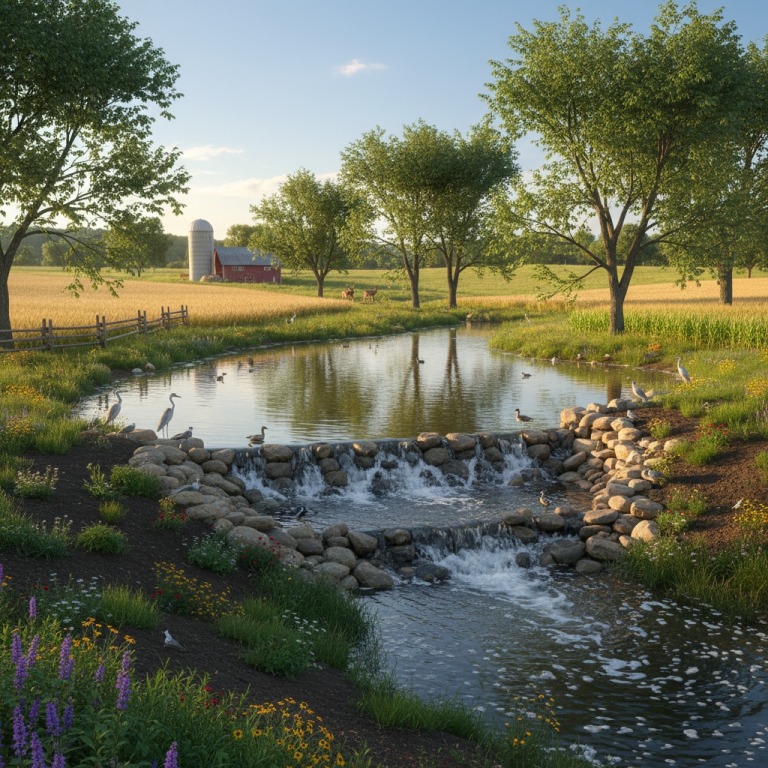
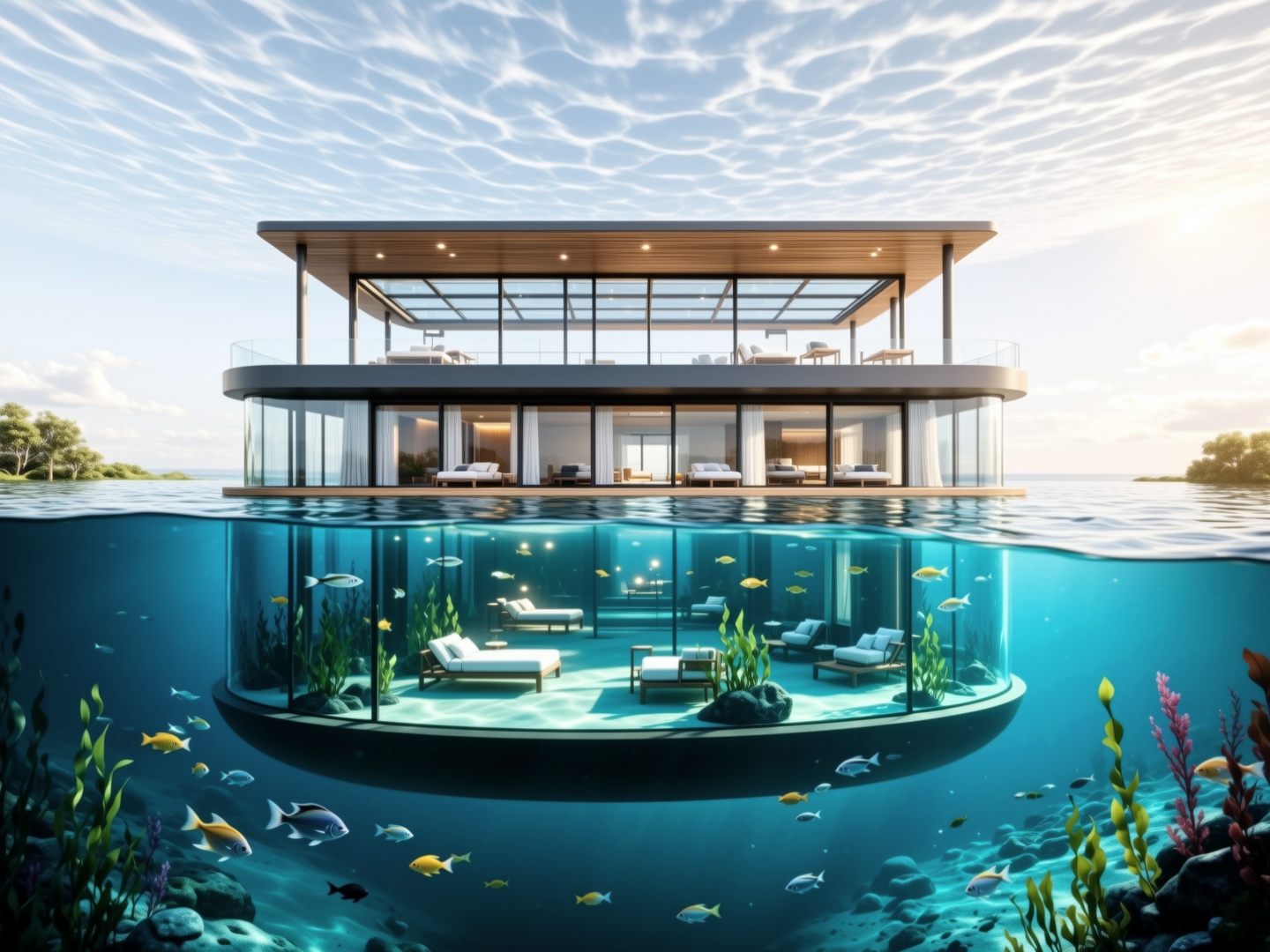
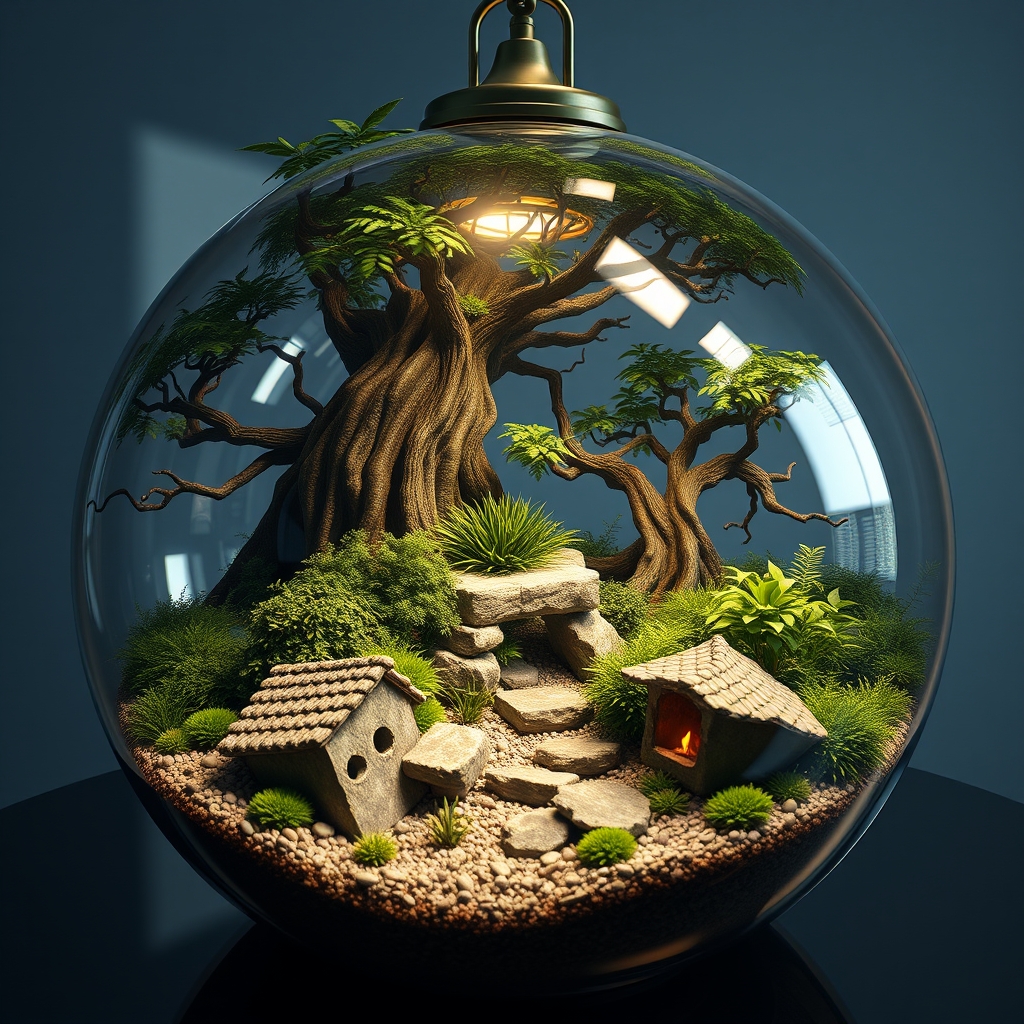
Creating a natural environment inside a building is more than adding plants or opening a window; it is a deliberate attempt to bring the rhythms, textures, and sensory qualities of the outdoors into a controlled indoor space. People often seek this connection because natural elements offer comfort, calmness, and a sense of grounding that modern interiors sometimes lack. When nature is thoughtfully integrated into architecture, it changes how people feel, behave, and interact with their surroundings. The challenge lies in blending living systems with built structures in a way that feels authentic rather than artificial.

The Foundations Of Indoor Natural Design
Designing a natural environment inside a building begins with understanding how light, air, and organic materials shape human perception. Natural design relies on elements that mimic outdoor conditions, such as soft lighting, textured surfaces, and gentle airflow. These components work together to create spaces that feel alive rather than static. When buildings incorporate these features, they become more welcoming and emotionally supportive. Natural design becomes a bridge between architecture and ecology.
Natural Design Table
| Element | Indoor Effect |
|---|---|
| Natural Light | Mood improvement |
| Organic Materials | Warmth and texture |
| Airflow | Freshness and comfort |
| Plant Life | Visual calmness |
The Way Indoor Nature Influences Human Emotion
Indoor natural environments have a powerful effect on emotional wellbeing, offering a sense of calm that modern interiors often struggle to provide. People instinctively respond to greenery, natural textures, and soft lighting because these elements echo the landscapes humans evolved within. When indoor spaces include nature, stress levels decrease and focus improves. This emotional shift makes buildings feel more humane and supportive. Nature becomes a quiet companion inside the walls.
Emotional Influence Points
- Natural elements reduce stress
- Greenery improves focus
- Soft lighting calms the mind
- Organic textures feel grounding
- Nature enhances emotional balance
The Role Of Light In Creating Indoor Nature
Light is one of the most important components of an indoor natural environment because it shapes mood, visibility, and the behaviour of plants. Sunlight creates warmth and movement, while diffused light softens the atmosphere and reduces harsh contrasts. When buildings incorporate skylights, large windows, or reflective surfaces, they allow natural light to travel deeper into interior spaces. This creates a sense of openness that mimics outdoor environments. Light becomes a living element within the building.
Light Integration Table
| Light Source | Environmental Effect |
|---|---|
| Skylights | Vertical illumination |
| Large Windows | Outdoor connection |
| Reflective Surfaces | Light distribution |
| Diffused Panels | Softened ambience |
The Importance Of Airflow In Indoor Natural Spaces
Airflow shapes how natural an indoor environment feels by influencing temperature, scent, and movement. Stagnant air makes spaces feel artificial, while gentle circulation creates a sense of freshness. When buildings use cross‑ventilation, openable windows, or natural convection, they bring the qualities of outdoor air inside. This movement supports both human comfort and plant health. Air becomes an invisible part of the natural experience.
Airflow Points
- Movement prevents stagnation
- Fresh air improves comfort
- Circulation supports plants
- Ventilation reduces humidity
- Airflow enhances natural ambience
The Integration Of Living Plants Indoors
Plants are often the first thing people think of when imagining indoor nature, and for good reason. They introduce colour, texture, and life into spaces that might otherwise feel sterile. Different species offer different benefits, from air purification to humidity regulation. When arranged thoughtfully, plants can transform entire rooms into living ecosystems. Greenery becomes the heartbeat of indoor nature.
Plant Integration Table
| Plant Type | Indoor Benefit |
|---|---|
| Ferns | Humidity balance |
| Succulents | Low maintenance |
| Vines | Vertical interest |
| Palms | Spatial softness |
The Way Water Features Shape Indoor Environments
Water introduces sound, movement, and atmosphere into indoor spaces, creating a sensory experience that feels deeply connected to nature. The gentle sound of flowing water can reduce stress and mask urban noise. Water features also influence humidity and temperature, making indoor environments feel more balanced. When used carefully, water becomes a focal point that draws people into the space. It becomes a living presence within the building.
Water Feature Points
- Sound creates calmness
- Movement adds visual interest
- Humidity improves comfort
- Temperature becomes more stable
- Water enhances sensory depth
The Influence Of Natural Materials On Indoor Atmosphere
Natural materials such as wood, stone, clay, and woven fibres bring warmth and authenticity to indoor environments. These materials carry subtle imperfections that make spaces feel more human and less manufactured. Their textures invite touch and create a sense of connection to the natural world. When combined with plants and natural light, they form a cohesive environment that feels grounded. Materials become storytellers within the space.
Natural Material Table
| Material | Indoor Effect |
|---|---|
| Wood | Warmth and comfort |
| Stone | Strength and stability |
| Clay | Earthy texture |
| Woven Fibres | Softness and detail |
The Role Of Sound In Creating Indoor Nature
Sound plays a crucial role in shaping how natural an indoor environment feels. Soft rustling leaves, gentle water movement, or distant bird calls can create a sense of immersion that transforms the atmosphere. These sounds help mask mechanical noise and create a more peaceful environment. When sound is used thoughtfully, it becomes part of the sensory landscape. Nature becomes audible within the building.
Sound Influence Points
- Natural sounds reduce stress
- Sound masks mechanical noise
- Audio enhances immersion
- Rhythm creates calmness
- Sound shapes atmosphere
The Importance Of Spatial Flow In Indoor Natural Design
Spatial flow determines how people move through indoor environments and how natural elements interact with one another. Open pathways, layered heights, and gentle transitions create a sense of exploration similar to walking through a garden or forest. When spaces feel intuitive and fluid, they encourage relaxation and curiosity. Spatial flow becomes a silent guide. Movement becomes part of the natural experience.
Spatial Flow Table
| Spatial Feature | Natural Effect |
|---|---|
| Open Pathways | Ease of movement |
| Layered Heights | Visual depth |
| Curved Lines | Organic flow |
| Transitional Zones | Environmental blending |
The Way Indoor Nature Supports Mental Health
Indoor natural environments have a profound impact on mental wellbeing, offering a sense of calm that modern architecture often lacks. Exposure to greenery, natural light, and organic textures reduces anxiety and improves focus. These elements create a sense of refuge that helps people feel grounded. When buildings incorporate nature, they become more supportive of emotional health. Nature becomes a quiet healer.
Mental Health Points
- Nature reduces anxiety
- Greenery improves focus
- Light supports mood
- Organic textures calm the mind
- Natural spaces encourage relaxation
The Relationship Between Indoor Nature And Productivity
Natural environments inside buildings can significantly improve productivity by reducing stress and increasing cognitive clarity. People work more effectively when surrounded by elements that feel alive and supportive. Plants, natural light, and fresh air create conditions that enhance concentration. This connection between nature and productivity has been observed across workplaces, schools, and creative spaces. Nature becomes a catalyst for human performance.
Productivity Table
| Natural Element | Productivity Effect |
|---|---|
| Plants | Improved focus |
| Fresh Air | Mental clarity |
| Natural Light | Energy boost |
| Organic Materials | Reduced fatigue |
The Influence Of Indoor Nature On Social Interaction
Natural environments encourage positive social behaviour by creating spaces that feel welcoming and comfortable. People tend to gather in areas that include greenery, soft lighting, and natural textures. These spaces promote conversation, collaboration, and a sense of community. When buildings incorporate nature, they become more socially vibrant. Nature becomes a social connector.
Social Interaction Points
- Natural spaces encourage gathering
- Greenery softens social tension
- Light improves mood
- Organic materials create comfort
- Nature supports community building
The Role Of Temperature In Indoor Natural Environments
Temperature plays a subtle but important role in shaping how natural an indoor environment feels. Slight variations in warmth mimic outdoor conditions and create a sense of authenticity. When buildings rely on natural ventilation, thermal mass, or passive heating, they create environments that feel more connected to nature. Temperature becomes part of the sensory experience. Warmth and coolness become natural rhythms.
Temperature Table
| Temperature Feature | Natural Effect |
|---|---|
| Passive Heating | Gentle warmth |
| Natural Ventilation | Cooling airflow |
| Thermal Mass | Stable climate |
| Seasonal Variation | Authenticity |
The Way Indoor Nature Supports Creativity
Natural environments stimulate creativity by offering sensory richness and visual variety. People often feel more inspired when surrounded by plants, natural light, and organic textures. These elements encourage exploration and imaginative thinking. Creative spaces benefit greatly from natural design. Nature becomes a spark for new ideas.
Creativity Points
- Nature stimulates imagination
- Light enhances clarity
- Plants inspire curiosity
- Textures encourage exploration
- Natural spaces support creative flow
The Integration Of Natural Scents Indoors
Scent is a powerful sense that shapes how people experience indoor environments. Natural scents such as wood, soil, herbs, or flowers create a sense of authenticity that artificial fragrances cannot replicate. When used thoughtfully, scent becomes part of the natural atmosphere. The air becomes a storyteller.
Natural Scent Table
| Scent Source | Indoor Effect |
|---|---|
| Wood | Warmth and comfort |
| Herbs | Freshness |
| Flowers | Softness |
| Soil | Earthy grounding |
The Relationship Between Indoor Nature And Sustainability
Creating natural environments inside buildings supports sustainability by reducing reliance on artificial materials and mechanical systems. Plants improve air quality, natural light reduces energy use, and organic materials last longer than synthetic alternatives. These choices create buildings that are both environmentally responsible and emotionally supportive. Sustainability becomes a natural outcome of thoughtful design. Nature and architecture work together.
Sustainability Points
- Plants improve air quality
- Natural light reduces energy use
- Organic materials last longer
- Ventilation reduces mechanical demand
- Nature supports sustainable living
The Future Of Indoor Natural Environments
As cities grow and outdoor access becomes more limited, indoor natural environments will play an increasingly important role in human wellbeing. Buildings will evolve to include living walls, indoor forests, natural ventilation systems, and water features that mimic outdoor ecosystems. These spaces will support mental health, creativity, and community connection. The future of architecture will blend nature and structure in ways that feel seamless. Indoor nature becomes a necessity rather than a luxury.
Future Environment Table
| Future Feature | Expected Benefit |
|---|---|
| Living Walls | Improved air quality |
| Indoor Forests | Deep immersion |
| Natural Ventilation | Energy efficiency |
| Water Integration | Sensory richness |
Conclusion
Creating a natural environment inside a building is not simply a design choice; it is a recognition of the deep human need for connection with the natural world. When architecture embraces light, air, plants, water, and organic materials, it creates spaces that support wellbeing, creativity, and community. These environments remind people that nature is not something separate from daily life but something that can be woven into the places where they live and work. The more buildings reflect natural rhythms, the more balanced and grounded people feel. Indoor nature becomes a pathway to healthier, more meaningful living.
Join The Discussion
What natural element do you think makes the biggest difference when brought indoors, and how does it change the way you feel in a space?