The Psychology Of Habitat Expansion And Why Habitats Get Bigger
Habitat Expansion
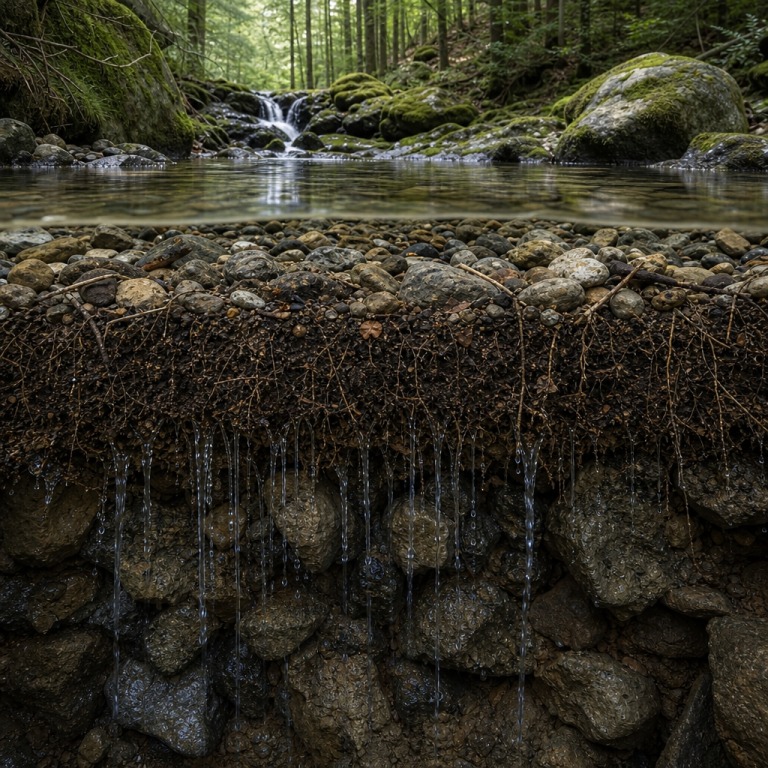
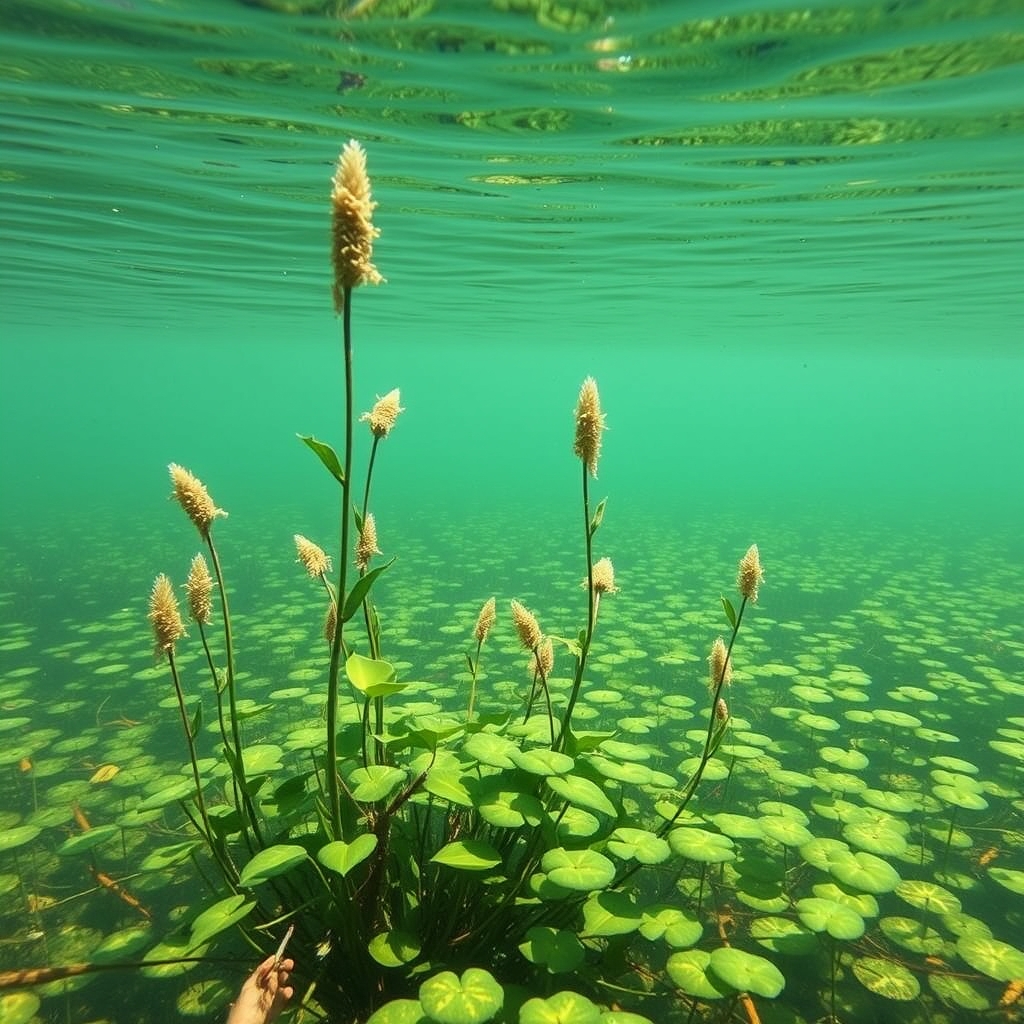
Habitats expand when conditions shift in ways that allow life to stretch outward, filling new spaces with quiet confidence. This growth often begins with small changes in climate, soil, or water patterns that gradually open new pathways for plants and animals. As these shifts accumulate, the boundaries of a habitat loosen, allowing it to reorganise itself without fanfare. What begins as a subtle adjustment can eventually reshape an entire landscape. The expansion becomes a sign that the environment is responding to its own internal signals.
As habitats grow, they often reveal how adaptable a landscape can be when given time and space. New plants take root in areas that were once too dry, too shaded, or too exposed. Animals follow these changes, exploring fresh territory and creating new patterns of movement. These transitions rarely happen all at once; instead, they unfold in slow, deliberate steps. The gradual nature of this growth makes it easy to overlook, even though it is constantly in motion. Over time, the expanded habitat becomes part of the natural rhythm of the place.
People often experience expanding habitats as quiet reminders of resilience. A forest that spreads after years of drought or disturbance can evoke a sense of relief, as if the land is reclaiming its strength. Grasslands that widen after a long season of rain may feel like a return to balance. These emotional responses shape how individuals interpret the health of the environment around them. The growth becomes more than a physical change; it becomes a symbol of recovery or renewal. This symbolic layer influences how people connect with the landscape.
The expansion of a habitat can also spark curiosity, drawing attention to the subtle forces that guide natural systems. Observers may notice new species appearing, old pathways shifting, or familiar spaces taking on different textures. These changes invite questions about what is driving the transformation and what it might mean for the future. The landscape becomes a living story that unfolds slowly but meaningfully. Each new patch of growth adds another chapter to that story. This sense of unfolding keeps people engaged with the environment in a reflective way.
When habitats grow, they create a blend of ecological change and psychological response that deepens the relationship between people and place. The physical expansion alters how life moves and interacts, while the emotional impact shapes how people perceive stability, change, and continuity. This dual experience makes habitat growth feel both grounded and symbolic. It becomes a reminder that nature is always adjusting, even when those adjustments are quiet. Habitat growth becomes both an ecological event and a psychological experience.
The Nature Of Habitat Expansion
Habitats expand when conditions allow species to spread into new areas, creating broader spaces for life to flourish. This expansion may be influenced by climate patterns, resource availability, or gradual environmental shifts. People often notice these changes through subtle cues such as new vegetation or increased wildlife presence. Habitat expansion can create a sense of movement within the landscape. These shifts shape how individuals interpret environmental health. People may feel more connected to environments that show signs of growth. Habitat expansion becomes a natural expression of environmental change.
Table – Factors That Contribute To Habitat Expansion
| Factor | Description | Influence |
|---|---|---|
| Climate Shifts | Changing temperatures | Opens new areas |
| Resource Availability | Increased food or water | Supports growth |
| Species Movement | Natural spread | Expands boundaries |
| Reduced Pressure | Fewer disturbances | Encourages expansion |
| Environmental Balance | Stable conditions | Sustains growth |
The Psychological Impact Of Growing Habitats
Growing habitats often evoke emotional responses because they signal movement and renewal. People may feel encouraged when they see landscapes expanding rather than shrinking. This sense of growth can create feelings of stability. Expanding habitats also spark curiosity, inviting individuals to explore new areas. These emotional responses shape how people interpret environmental change. Growth becomes a symbol of possibility. The psychological impact adds depth to the experience of habitat expansion.
Points – Emotional Responses To Habitat Growth
- A sense of renewal.
- Increased curiosity.
- Feelings of stability.
- A perception of balance.
- Encouragement from visible change.
- A deeper connection to place.
- Interest in environmental progression.
The Role Of Species Movement
Species movement plays a major role in why habitats get bigger. When animals or plants spread into new areas, they create new patterns of life. These movements may be influenced by climate, resources, or natural curiosity. People often notice these shifts through changes in wildlife presence. Species movement can create a sense of dynamism within the landscape. This dynamism shapes emotional responses. Habitat expansion becomes a reflection of natural exploration.
Table – Types Of Species Movement That Expand Habitats
| Movement Type | Description | Effect |
|---|---|---|
| Migration | Seasonal travel | Broadens range |
| Dispersal | Seed or offspring spread | Creates new growth |
| Exploration | Natural roaming | Expands territory |
| Population Growth | Increased numbers | Extends boundaries |
| Adaptation Movement | Shifts to suitable areas | Supports survival |
The Influence Of Environmental Conditions
Environmental conditions shape how and where habitats expand. When conditions become favourable, species can thrive in new areas. These shifts may occur gradually, creating subtle changes in the landscape. People often interpret these changes as signs of environmental balance. Favourable conditions support long‑term growth. This growth influences emotional responses to the environment. Habitat expansion becomes a reflection of environmental opportunity.
Points – Environmental Conditions That Support Habitat Growth
- Stable temperatures.
- Reliable water sources.
- Balanced soil conditions.
- Reduced environmental stress.
- Consistent seasonal patterns.
- Adequate shelter.
- Abundant resources.
The Role Of Time In Habitat Expansion
Time plays a crucial role in how habitats grow. Expansion often occurs slowly, allowing ecosystems to adjust naturally. People may not notice these changes immediately. Over time, small shifts accumulate into significant growth. This gradual progression creates a sense of continuity. People often feel more comfortable with slow change. Time becomes a quiet architect of habitat expansion.
Table – Time‑Based Processes That Expand Habitats
| Process | Description | Influence |
|---|---|---|
| Succession | Gradual ecosystem development | Expands boundaries |
| Seasonal Shifts | Repeating cycles | Creates new opportunities |
| Long‑Term Climate Trends | Extended patterns | Opens new areas |
| Soil Formation | Slow development | Supports new growth |
| Population Cycles | Generational changes | Broadens habitat range |

The Emotional Tone Of Expanding Landscapes
Expanding landscapes often carry a distinct emotional tone that shapes how people feel within them. These tones may evoke calm, curiosity, or a sense of possibility. People often respond to these tones instinctively. The emotional atmosphere created by habitat growth influences behaviour and perception. Individuals may feel more open to exploration in expanding environments. These tones create a sense of environmental vitality. Habitat expansion becomes an emotional experience.
Points – Emotional Tones Found In Expanding Habitats
- Calmness in gradual growth.
- Curiosity in new patterns.
- Warmth in thriving areas.
- Reflection in shifting landscapes.
- Hope in visible renewal.
- Interest in evolving spaces.
- Stillness in balanced environments.
The Role Of Resource Availability
Resource availability plays a major role in why habitats get bigger. When food, water, and shelter become more abundant, species can expand their range. These resources create opportunities for growth. People often notice these changes through increased vegetation or wildlife activity. Resource availability shapes environmental behaviour. This behaviour influences emotional responses. Habitat expansion becomes a reflection of environmental richness.
Table – Resources That Support Habitat Expansion
| Resource | Description | Effect |
|---|---|---|
| Water | Reliable sources | Supports life |
| Food | Abundant supply | Encourages growth |
| Shelter | Safe spaces | Expands range |
| Soil Nutrients | Fertile ground | Promotes vegetation |
| Sunlight | Adequate exposure | Sustains energy flow |
The Influence Of Reduced Pressure
Habitats may grow when environmental pressure decreases. Reduced disturbance allows species to thrive. People often interpret these shifts as signs of recovery. Reduced pressure creates space for natural processes to unfold. This space supports long‑term growth. People may feel encouraged by these signs of resilience. Habitat expansion becomes a symbol of environmental relief.
Points – Factors That Reduce Environmental Pressure
- Lower disturbance levels.
- Stable climate patterns.
- Reduced competition.
- Balanced resource use.
- Natural recovery periods.
- Improved environmental conditions.
- Increased ecological harmony.
The Role Of Interconnected Systems
Habitats grow larger when interconnected systems support expansion. Rivers, forests, and grasslands often influence one another. These connections create pathways for species movement. People may notice these links through shifting patterns in vegetation or wildlife. Interconnected systems create a sense of environmental unity. This unity shapes emotional responses. Habitat expansion becomes part of a larger environmental network.
Table – Interconnected Systems That Support Habitat Growth
| System | Description | Influence |
|---|---|---|
| Waterways | Linked rivers and streams | Supports movement |
| Forest Networks | Connected tree systems | Expands range |
| Grassland Corridors | Open pathways | Encourages spread |
| Wetland Chains | Linked marshes | Supports diversity |
| Mountain Ranges | Continuous terrain | Guides migration |
The Influence Of Environmental Balance
Environmental balance supports habitat expansion by creating stable conditions. Balanced ecosystems allow species to thrive without overwhelming competition. People often interpret balance as a sign of environmental health. Balanced environments encourage long‑term growth. This balance shapes emotional responses to the landscape. People may feel more at ease in balanced habitats. Habitat expansion becomes a reflection of environmental harmony.
Points – Elements Of Environmental Balance
- Stable resource distribution.
- Predictable seasonal patterns.
- Balanced species interactions.
- Consistent environmental rhythms.
- Reliable climate behaviour.
- Harmonious growth patterns.
- Steady ecological flow.
The Role Of Adaptation
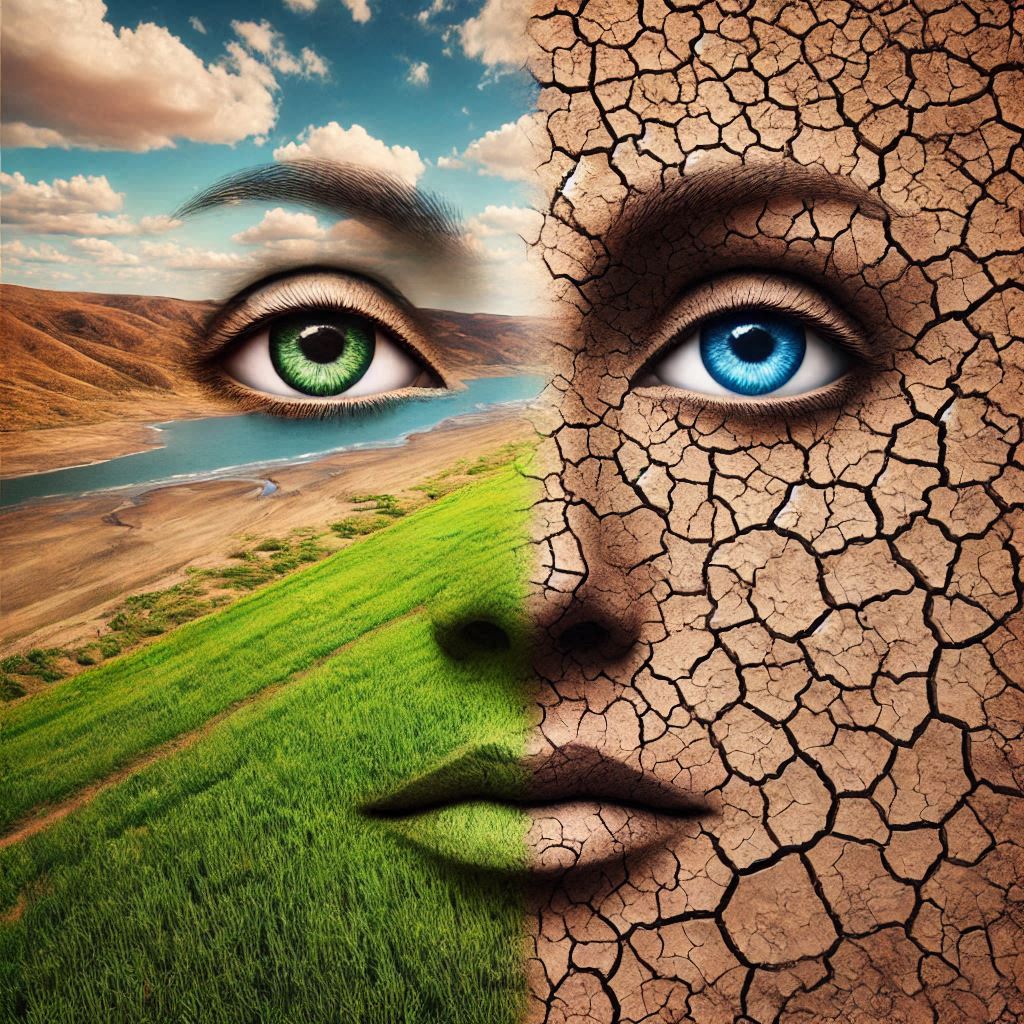
Adaptation plays a major role in why habitats get bigger. Species adjust to new conditions, allowing them to expand into new areas. These adaptations may occur gradually. People often notice these shifts through changes in behaviour or presence. Adaptation supports long‑term survival. This survival shapes environmental growth. Habitat expansion becomes a reflection of adaptive strength.
Table – Adaptive Factors That Expand Habitats
| Factor | Description | Effect |
|---|---|---|
| Behavioural Shifts | New habits | Expands range |
| Physical Traits | Gradual changes | Supports survival |
| Seasonal Adjustments | Timing shifts | Opens new areas |
| Resource Flexibility | Broader diet | Encourages spread |
| Environmental Fit | Improved suitability | Sustains growth |
The Connection Between Growth And Environmental Flow
Environmental flow refers to the movement of energy, resources, and life through ecosystems. When flow remains steady, habitats can expand naturally. People often sense this flow through subtle cues. The environment feels alive because it is always moving. This movement shapes emotional responses. People may feel more connected to environments with strong flow. Habitat expansion becomes part of environmental rhythm.
Table – Flow Elements That Support Habitat Growth
| Element | Description | Influence |
|---|---|---|
| Water Flow | Movement of moisture | Supports vegetation |
| Energy Flow | Sunlight patterns | Sustains life |
| Nutrient Flow | Soil movement | Encourages growth |
| Wildlife Flow | Species movement | Expands range |
| Atmospheric Flow | Air patterns | Shapes conditions |
Conclusion
Habitats grow larger through a combination of species movement, environmental balance, resource availability, and gradual adaptation. These expansions create emotional responses that shape how people interpret the natural world. Small shifts accumulate into meaningful growth, creating landscapes that feel alive and dynamic. People often feel encouraged by signs of environmental expansion. These changes reflect resilience, continuity, and environmental flow. Habitat growth becomes both an ecological process and a psychological experience. In this way, expanding habitats reveal the quiet power of natural progression.