The Interwoven Lives Of Animals And The Environment
Animals And The Environment
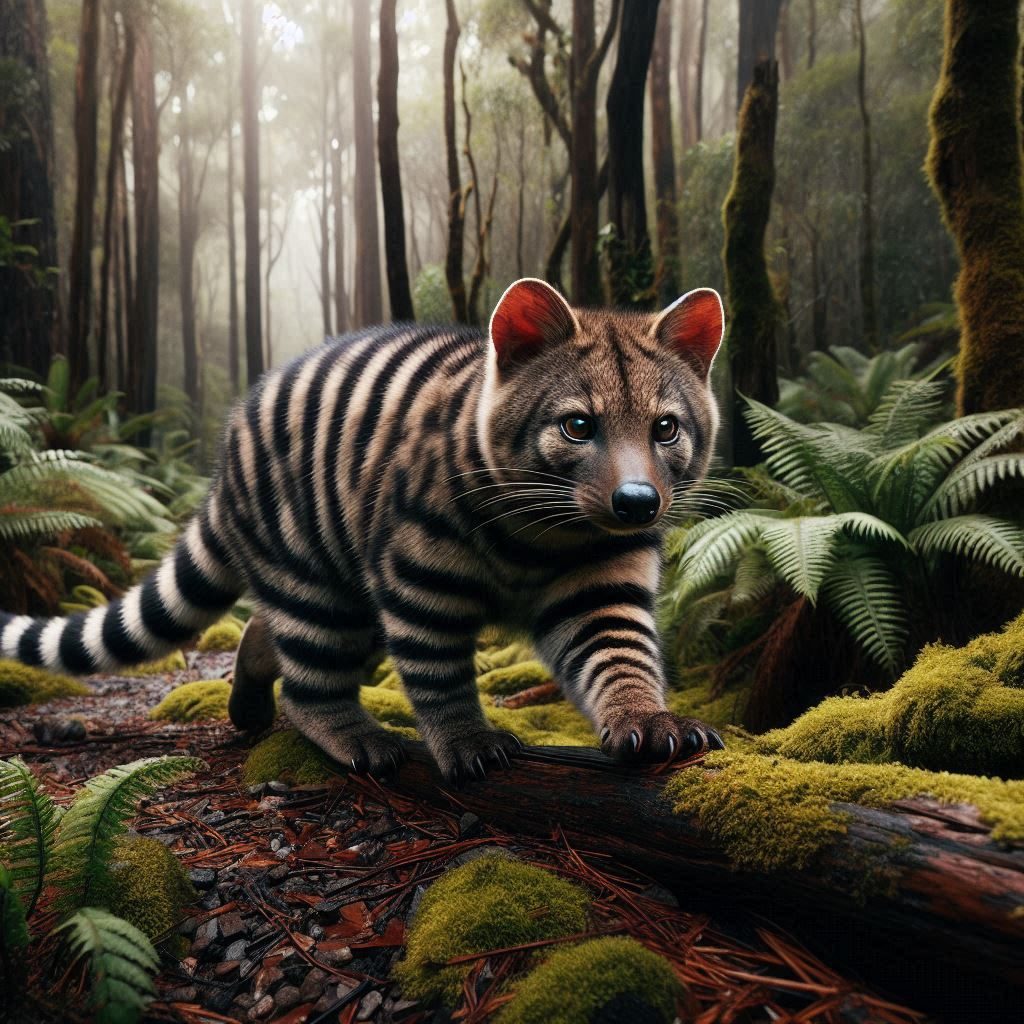
Animals and the environment share a relationship that shapes the balance of life on Earth, creating a network of interactions that influence ecosystems in powerful ways. Every species contributes something unique to the world around it, forming connections that support growth, renewal, and stability. These relationships reveal how deeply life depends on cooperation between living creatures and their surroundings.
The Interwoven Lives Of Animals And Their Habitats
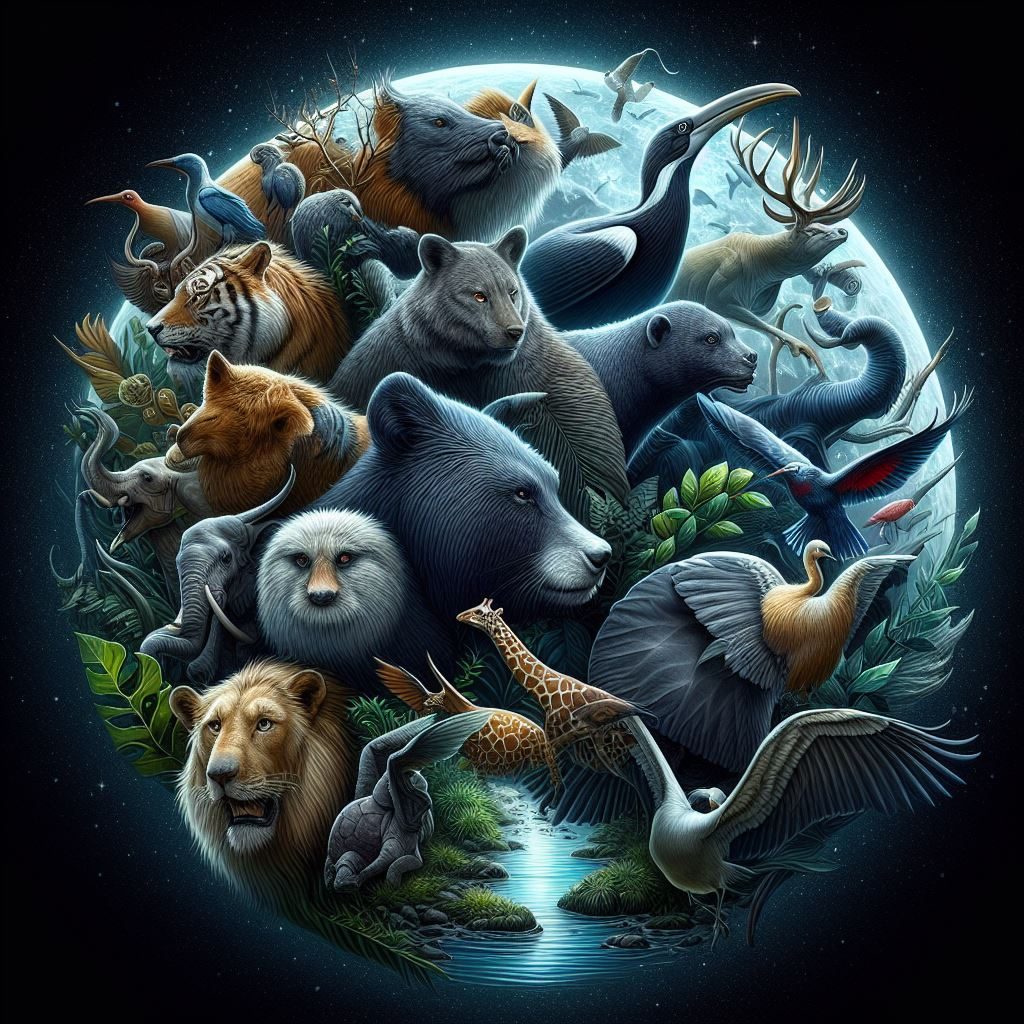
Animals rely on their habitats for shelter, food, and safety, creating a bond that shapes their daily behaviour. Each environment offers resources that influence how species move, interact, and survive. Forests, oceans, and grasslands all provide unique conditions that guide animal life. These habitats also shape the emotional rhythms of animals, influencing how they respond to change. The presence of animals helps maintain the health of these environments.
Their movements distribute seeds, nutrients, and energy across the landscape. This exchange creates a cycle that supports long-term stability. Animals often adapt to subtle shifts in their surroundings, revealing the delicate balance of nature. Their presence becomes a sign of environmental health. When habitats thrive, animals flourish alongside them. This interwoven relationship highlights the importance of protecting natural spaces.
Habitat Types And Their Key Features
| Habitat | Key Feature | Environmental Role |
|---|---|---|
| Forests | Dense vegetation | Supports biodiversity |
| Oceans | Vast ecosystems | Regulates global climate |
| Grasslands | Open terrain | Sustains grazing species |
| Wetlands | Water-rich areas | Filters natural water systems |
| Mountains | Varied climates | Provides unique niches |
The Emotional Connection Between Species And Their Surroundings
Animals often form strong attachments to the places they inhabit, shaping their behaviour and movement patterns. These emotional ties influence how they respond to threats or changes. Many species return to familiar locations year after year. This loyalty reflects the comfort they find in stable environments. The landscape becomes part of their identity. Animals rely on familiar cues to navigate their world. These cues help them feel secure in their routines. When environments shift, animals may experience stress or confusion. Their reactions reveal how deeply they depend on consistency. This emotional connection highlights the importance of environmental stability. It also shows how sensitive animals are to changes in their surroundings.
Reasons Animals Form Strong Environmental Bonds
- Familiar spaces offer safety
- Stable environments support routine
- Natural cues guide movement
- Comfort encourages healthy behaviour
- Consistency reduces stress
Animals In Maintaining Environmental & Ecosystem Balance
Animals contribute to ecosystem balance through their daily activities. Their feeding habits influence plant growth and distribution. Predators help regulate populations of other species. Herbivores shape vegetation patterns across landscapes. Scavengers clean up organic material, preventing decay from overwhelming the environment. These roles create a cycle that supports long-term stability. Animals also help maintain soil health through movement and waste. Their presence encourages natural renewal. Ecosystems rely on these interactions to remain resilient. Without animals, many natural processes would slow or collapse. Their contributions highlight the importance of biodiversity.
Animal Roles And Their Environmental Effects
| Role | Effect | Why It Matters |
|---|---|---|
| Predator | Controls populations | Prevents imbalance |
| Herbivore | Shapes vegetation | Supports plant diversity |
| Pollinator | Spreads pollen | Enables reproduction |
| Scavenger | Removes waste | Maintains cleanliness |
| Burrower | Aerates soil | Encourages growth |
The Psychological Impact Of Animal Presence On Natural Spaces
Animals bring life and movement to the environment, creating a sense of vitality. Their presence influences how people perceive natural spaces. Many individuals feel more connected to nature when animals are nearby. This connection encourages appreciation for the environment. Animals add personality to landscapes through their behaviour. Their interactions create moments of curiosity and wonder. These experiences inspire people to care for natural spaces. The presence of animals also signals environmental health. When wildlife thrives, ecosystems feel more complete. This psychological impact strengthens the bond between humans and nature. It encourages a deeper sense of responsibility.
Ways Animals Influence Human Perception
- They create a sense of liveliness
- They inspire curiosity
- They encourage environmental care
- They signal ecosystem health
- They strengthen emotional connection
The Movement Of Animals And Its Environmental Influence
Animal movement shapes the environment in subtle yet powerful ways. Migration patterns help distribute nutrients across vast distances. Seasonal travel supports plant growth in multiple regions. Animals also create pathways that influence how landscapes evolve. Their movement helps maintain ecological balance. These patterns reveal the adaptability of species. Movement also reflects the emotional rhythms of animal life. Animals often travel to find comfort, safety, or resources. Their journeys shape the world around them. These movements highlight the interconnectedness of ecosystems. They show how animals contribute to environmental renewal.
Movement Patterns And Their Environmental Roles
| Movement Type | Environmental Role | Why It’s Significant |
|---|---|---|
| Migration | Distributes nutrients | Supports ecosystem cycles |
| Foraging | Shapes vegetation | Encourages plant diversity |
| Territorial Travel | Maintains balance | Prevents overcrowding |
| Seasonal Shifts | Supports adaptation | Reflects environmental change |
| Daily Routes | Creates pathways | Influences landscape structure |

The Influence Of Animals On Natural Cycles
Animals play a vital role in natural cycles that sustain life. Their activities support the flow of energy through ecosystems. Pollinators help plants reproduce, ensuring food sources remain abundant. Decomposers break down organic material, returning nutrients to the soil. Predators maintain population balance. These cycles depend on the presence of diverse species. Animals also influence water movement through their interactions with the environment. Their behaviour shapes the timing of natural events. These contributions help ecosystems remain resilient. Natural cycles rely on the cooperation of many species. Animals are essential to this harmony.
Key Natural Cycles Supported By Animals
- Pollination cycles
- Nutrient recycling
- Population regulation
- Soil renewal
- Seasonal transitions
The Environmental Significance Of Animal Behaviour
Animal behaviour influences the environment in ways that shape long-term ecological health. Nest-building alters landscapes and creates habitats for other species. Feeding patterns determine which plants thrive. Social behaviour affects how species interact with their surroundings. Animals often modify their environment to suit their needs. These modifications create opportunities for other species. Behavioural patterns also reveal environmental changes. Animals respond quickly to shifts in climate or resources. Their reactions offer insight into ecosystem health. Behaviour becomes a form of communication between species and their environment. This dynamic shapes the natural world. It highlights the importance of behavioural diversity.
Behaviour Types And Their Environmental Impact
| Behaviour | Impact | Why It Matters |
|---|---|---|
| Nesting | Creates habitats | Supports biodiversity |
| Foraging | Shapes plant life | Influences growth patterns |
| Social Interaction | Guides movement | Affects resource use |
| Territorial Behaviour | Distributes populations | Prevents overcrowding |
| Seasonal Behaviour | Signals change | Helps ecosystems adapt |
The Emotional Influence Animals Have On Environmental Care
Animals inspire people to care more deeply about the environment. Their presence creates emotional connections that encourage protective behaviour. Many individuals feel motivated to preserve habitats when they see wildlife thriving. Animals remind people of the beauty and fragility of nature. Their movements and sounds create a sense of harmony. These emotional responses influence environmental choices. People often support conservation efforts because of their connection to animals. This bond strengthens community involvement. Animals become symbols of environmental health. Their presence encourages long-term care. This emotional influence plays a powerful role in environmental protection.
Reasons Animals Inspire Environmental Care
- They evoke empathy
- They highlight natural beauty
- They encourage protective behaviour
- They symbolise environmental health
- They strengthen community involvement
The Role Of Animals In Shaping Landscapes
Animals influence the physical structure of landscapes through their daily activities. Grazing patterns shape grasslands. Burrowing animals alter soil composition. Birds spread seeds across wide areas. These actions create diverse plant communities. Animals also help maintain open spaces by preventing overgrowth. Their presence encourages natural renewal. Landscapes evolve in response to animal behaviour. This evolution supports long-term ecological health. Animals play a crucial role in shaping the world around them. Their influence is visible across many environments.
Landscape Changes Influenced By Animals
| Action | Landscape Effect | Environmental Benefit |
|---|---|---|
| Grazing | Controls growth | Supports plant diversity |
| Burrowing | Aerates soil | Encourages root health |
| Seed Spreading | Expands vegetation | Strengthens ecosystems |
| Nest Building | Alters terrain | Creates microhabitats |
| Scavenging | Removes waste | Maintains cleanliness |

The Connection Between Animal Diversity And Environmental Strength
Diverse animal populations contribute to strong, resilient ecosystems. Each species plays a unique role in maintaining balance. This variety supports natural cycles. Diverse environments are better able to adapt to change. Animals contribute to this resilience through their interactions. Their presence strengthens ecological networks. Diversity also encourages stability. When one species declines, others help maintain balance. This interconnectedness supports long-term environmental health. Animal diversity becomes a foundation for ecological strength. It highlights the importance of protecting all species.
Benefits Of Animal Diversity
- Supports ecosystem resilience
- Encourages natural balance
- Strengthens ecological networks
- Enhances environmental stability
- Promotes long-term health
The Long-Term Relationship Between Animals And The Environment
Animals and the environment share a relationship that evolves over time. Their interactions shape the world in ways that influence future generations. This long-term connection highlights the importance of environmental care. Animals contribute to the renewal of natural spaces. Their presence supports the health of ecosystems. The environment, in turn, provides the resources animals need. This cycle continues across centuries. The relationship reflects the delicate balance of nature. Protecting this connection ensures a thriving future. Animals and the environment depend on each other. Their partnership shapes the world we share.
Long-Term Contributions Of Animals
| Contribution | Effect | Why It Endures |
|---|---|---|
| Seed Distribution | Expands plant life | Supports renewal |
| Soil Enrichment | Strengthens growth | Encourages resilience |
| Population Balance | Maintains harmony | Prevents collapse |
| Ecosystem Support | Enhances stability | Builds long-term health |
| Environmental Signals | Reflect change | Guides conservation |
Conclusion
Animals and the environment form a partnership that shapes the balance of life across the planet. Their interactions influence natural cycles, landscape structure, and ecological resilience. This relationship reveals how deeply life depends on cooperation between species and their surroundings. Animals inspire people to care for the world, creating emotional connections that encourage environmental protection. By recognising the importance of this bond, individuals can support a healthier, more vibrant future for all living beings.