Revealing Connections Between Moisture And Microorganisms Ecosystem
Revealing Connections
Moisture in an ecosystem is one of the quiet forces that shapes how life grows, moves, and interacts. It influences soil texture, plant behaviour, and the subtle rhythms that guide animal activity. Even when it is not visible, moisture creates conditions that support the entire structure of an ecosystem. People often overlook its presence because it works beneath the surface, yet its influence is profound. Moisture becomes a silent architect that shapes landscapes over long periods. Its presence affects everything from seed germination to the movement of nutrients.

The Foundation Of Moisture In Natural Systems
Moisture forms the base of many ecological processes, acting as a medium for growth and transformation. It supports plant roots, nourishes microorganisms, and shapes the texture of the soil. Even small changes in moisture levels can shift the balance of an ecosystem. These shifts influence how species interact and how landscapes evolve. Moisture becomes a quiet stabiliser that holds the system together. Its presence creates a sense of continuity across seasons. Without moisture, ecosystems lose their rhythm.
Moisture Components
| Component | Influence |
|---|---|
| Soil Water | Supports root activity |
| Atmospheric Humidity | Shapes plant behaviour |
| Groundwater | Maintains long‑term stability |
| Surface Moisture | Guides nutrient movement |
The Emotional Tone Created By Moisture
Moisture shapes the atmosphere of an ecosystem in ways that feel almost emotional. Damp air can create a sense of calm, while dry conditions can evoke tension. People often respond to these atmospheric cues instinctively. Moisture softens the environment, creating a sense of gentleness. This softness influences how we perceive natural spaces. The presence of moisture becomes part of the ecosystem’s emotional character. It shapes how we feel within the landscape.
Emotional Tone Points
- Creates gentle atmosphere
- Softens environmental edges
- Encourages slower movement
- Supports reflective mood
- Enhances sensory richness
The Role Of Moisture In Plant Life
Plants rely on moisture to carry nutrients through their tissues and support growth. Moisture allows roots to expand and leaves to maintain their structure. Even slight variations in moisture can influence plant behaviour. Some species thrive in damp environments, while others adapt to dry conditions. Moisture becomes a key factor in determining which plants dominate a landscape. Its presence shapes the diversity of an ecosystem. Plants respond to moisture with subtle shifts that influence the entire system.
Plant Moisture Factors
| Factor | Effect |
|---|---|
| Root Hydration | Supports growth |
| Leaf Moisture | Maintains structure |
| Soil Dampness | Guides species distribution |
| Water Availability | Shapes plant cycles |
The Way Moisture Shapes Soil
Soil structure changes dramatically depending on moisture levels. Damp soil becomes a medium for nutrient movement, while dry soil restricts biological activity. These shifts influence how plants anchor themselves and how organisms move through the ground. Moisture creates pathways for life to flourish. The soil becomes more than a physical surface; it becomes a living network. This network responds to moisture with quiet transformations. Moisture shapes the soil’s identity.
Soil Influence Points
- Supports nutrient flow
- Shapes microbial activity
- Guides root expansion
- Influences soil texture
- Creates biological pathways
The Connection Between Moisture And Microorganisms
Microorganisms rely on moisture to survive and carry out essential ecological functions. These different types organisms break down organic matter and release nutrients into the soil. Moisture allows them to move, feed, and reproduce. Without adequate moisture, their activity slows dramatically. This slowdown affects the entire ecosystem. Moisture becomes a catalyst for microscopic life. Its presence shapes the foundation of ecological health.
Microorganism Elements
| Element | Influence |
|---|---|
| Water Availability | Supports activity |
| Soil Dampness | Enhances decomposition |
| Moisture Cycles | Guide population shifts |
| Microhabitats | Create diversity |
The Influence Of Moisture On Animal Behaviour
Animals respond to moisture through movement, feeding patterns, and shelter choices. Many species rely on damp environments for breeding or foraging. Moisture shapes where animals travel and how they interact with their surroundings. Dry conditions can push species to migrate or alter their habits. Moisture becomes a quiet guide for animal behaviour. Its presence influences the rhythm of life. Animals adapt to moisture in ways that shape the ecosystem.
Behavioural Influences
- Guides movement patterns
- Shapes feeding habits
- Influences shelter choices
- Supports breeding cycles
- Creates environmental cues
The Role Of Moisture In Climate Regulation
Moisture plays a key role in regulating temperature and atmospheric conditions. It absorbs heat, cools surfaces, and shapes weather patterns. These effects influence how ecosystems respond to seasonal changes. Moisture becomes part of the climate’s emotional tone. Its presence creates a sense of balance. Without moisture, climates become harsh and unpredictable. Moisture stabilises the environment.
Climate Elements
| Element | Effect |
|---|---|
| Evaporation | Cools surfaces |
| Humidity | Shapes temperature |
| Rainfall | Supports ecosystems |
| Moist Air | Influences weather |
The Subtle Movement Of Moisture
Moisture moves through ecosystems in ways that are often invisible. It travels through soil, rises into the air, and returns through rainfall. These movements create cycles that support life. The subtlety of these shifts makes them easy to overlook. Yet they shape the entire system. Moisture becomes a quiet traveller. Its movement creates continuity.
Moisture Movement Points
- Travels through soil layers
- Rises into atmosphere
- Returns through precipitation
- Shapes seasonal cycles
- Supports ecological flow
The Psychological Symbolism Of Moisture
Moisture often carries symbolic meaning that reflects emotional states. Dampness can evoke renewal, while dryness can suggest tension. People respond to these cues instinctively. Moisture becomes a metaphor for emotional flow. Its presence suggests softness and adaptability. These symbolic qualities shape how we interpret natural spaces. Moisture becomes part of the emotional language of ecosystems.
Symbolic Elements
| Element | Influence |
|---|---|
| Renewal | Suggests growth |
| Softness | Encourages calm |
| Flow | Reflects adaptability |
| Depth | Adds emotional richness |

The Influence Of Moisture On Ecosystem Diversity
Moisture levels determine which species can thrive in a given environment. Wetlands support entirely different communities than dry grasslands. These differences create ecological diversity. Moisture becomes a defining factor in shaping habitats. Its presence or absence influences species distribution. Diversity emerges from these variations. Moisture shapes the ecological mosaic.
Diversity Points
- Guides species distribution
- Shapes habitat types
- Influences ecological balance
- Supports varied life forms
- Creates environmental richness
The Role Of Moisture In Seasonal Change
Seasonal shifts often revolve around changes in moisture. Rainy seasons bring renewal, while dry seasons create periods of rest. These cycles shape the behaviour of plants and animals. Moisture becomes a marker of seasonal rhythm. Its presence signals transformation. Seasonal moisture patterns create emotional and ecological transitions. These transitions shape the identity of ecosystems.
Seasonal Elements
| Element | Influence |
|---|---|
| Rainy Periods | Support growth |
| Dry Seasons | Encourage rest |
| Moist Air | Shapes atmosphere |
| Seasonal Flow | Guides ecological timing |
The Hidden Depth Of Moisture In Ecosystems
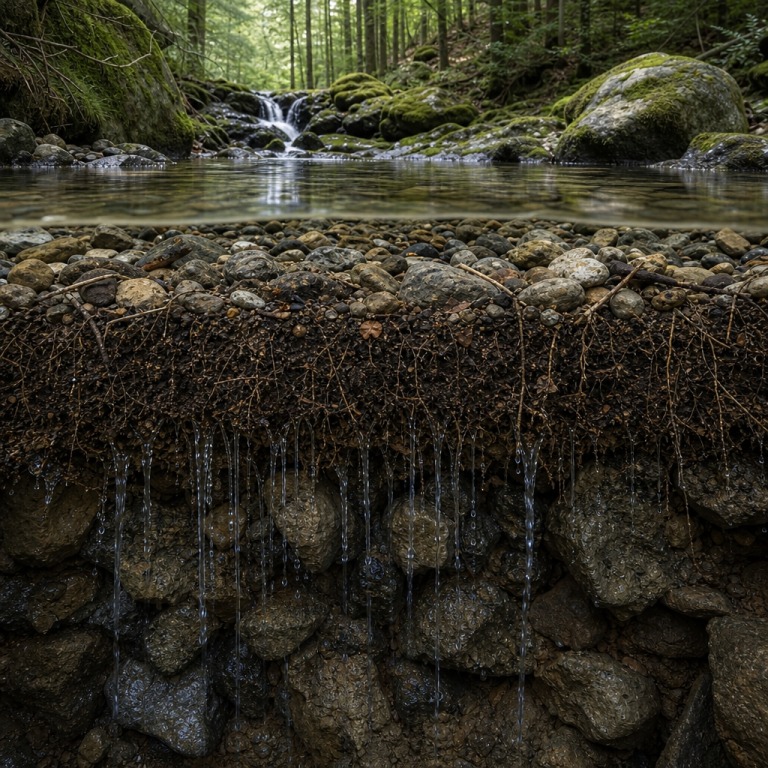
Moisture often works beneath the surface, shaping processes that are not immediately visible. These hidden influences create stability. People rarely notice these subtle shifts, yet they shape the entire system. Moisture becomes a quiet force that holds everything together. Its presence supports life in ways that feel almost invisible. The hidden depth of moisture adds complexity. This complexity enriches the ecosystem.
Hidden Depth Points
- Shapes unseen processes
- Supports quiet stability
- Influences long‑term growth
- Creates subtle transitions
- Enhances ecological depth
Moisture As A Hidden Driver Of Growth
Moisture shapes the earliest stages of life by determining how seeds awaken and roots anchor themselves. It softens soil, allowing young plants to push through with less resistance. Even slight changes in moisture levels can alter how plants distribute their energy between leaves, stems, and roots. This quiet influence creates patterns of growth that ripple outward through an ecosystem. When moisture is steady, plants develop confidence in their environment; when it fluctuates, they adapt in subtle, expressive ways. These responses form the foundation of how vegetation establishes itself. Moisture becomes the quiet pulse that sets the rhythm for everything that follows.
Moisture As A Guide For Movement
Animals read moisture like a map, using it to decide where to forage, rest, or migrate. Damp soil carries scents more clearly, helping creatures track food or avoid danger. Pockets of humidity offer cooler microclimates that become essential refuges during heat or drought. Even insects adjust their activity to the softness or dryness of the air around them. These shifts create a choreography of movement that is rarely noticed but always present. Moisture becomes a signal that shapes behaviour long before conscious decisions are made. It guides life through landscapes with a quiet, dependable logic.
Moisture As A Sculptor Of Soil And Texture
Soil changes character depending on how much moisture it holds, shifting from loose and airy to compact and heavy. These textures influence which plants can thrive and which must retreat. Moisture also affects how nutrients travel through the soil, determining what becomes available to roots and what remains locked away. Over time, this creates distinct layers of fertility that shape the identity of a place. The soil becomes a living archive of moisture’s long-term influence. Its structure tells the story of wet seasons, dry spells, and everything in between. Moisture sculpts the ground in ways that define the ecosystem’s future.
Moisture As A Keeper Of Balance
Ecosystems rely on moisture to maintain equilibrium between growth and decay. When moisture is present, organic matter breaks down at a steady pace, returning nutrients to the system. When it is absent, decomposition slows, and the landscape holds its breath. This balance affects how energy flows through every layer of life. Moisture ensures that cycles continue without interruption, even when conditions shift. It becomes the quiet mediator that prevents extremes from taking over. Through this balancing act, moisture protects the stability of the ecosystem’s inner workings.
Moisture As An Emotional Atmosphere
Beyond its physical effects, moisture shapes the emotional tone of a landscape. A humid forest feels dense and intimate, while a dry plain feels open and exposed. These sensations influence how people interpret the environment and how connected they feel to it. Moisture softens sound, deepens scent, and alters the way light moves through air. It creates atmospheres that evoke calm, tension, comfort, or anticipation. In this way, moisture becomes part of the psychological fabric of a place. It shapes not just how ecosystems function, but how they are experienced and remembered.

The Interdependence Between Moisture And Life
Life in an ecosystem depends on moisture in countless ways. Plants, animals, and microorganisms all rely on it for survival. Moisture creates the conditions that allow life to flourish. This interdependence forms the backbone of ecological health. Without moisture, ecosystems lose their vitality. Its presence creates a sense of continuity. Moisture becomes the thread that connects all living things.
Interdependence Elements
| Element | Influence |
|---|---|
| Plant Life | Relies on hydration |
| Animal Life | Depends on water sources |
| Microbial Life | Thrives in dampness |
| Ecosystem Flow | Requires moisture |
Conclusion
Moisture in an ecosystem is a quiet yet powerful force that shapes every layer of life. Its presence influences soil, plants, animals, and the atmosphere in ways that feel both subtle and profound. Moisture creates rhythms that guide seasonal change and ecological balance. It becomes a stabilising element that supports growth, renewal, and diversity. The emotional and symbolic qualities of moisture deepen our connection to natural spaces. Its influence reminds us that the most essential forces often work quietly. Moisture shapes the ecosystem’s identity and the emotional tone of the world around us.