


What A Plant In The Environment Means And Why It Changes
Understanding The Role Of Plants
Plants in the environment represent living organisms that form the foundation of ecosystems, shaping the balance of air, soil, and water while supporting countless forms of life. They are not passive elements but active participants in cycles of energy, nutrients, and climate regulation. The meaning of a plant in the environment extends beyond its biological identity, encompassing its role as a stabilizer, a provider, and a transformer of ecological systems.
Plants change because they respond to external pressures such as climate shifts, soil composition, water availability, and human activity. These changes are not random but adaptive strategies that ensure survival and continuity. By examining plants in this context, we gain insight into how ecosystems evolve and how human actions influence natural processes.
The Biological Identity Of Plants – Defining Their Core Functions
Plants are multicellular organisms that use photosynthesis to convert sunlight into energy, producing oxygen and organic matter essential for life. Their cellular structure includes chloroplasts, which contain chlorophyll, enabling them to capture solar energy. They anchor themselves in soil through roots, drawing water and minerals that sustain growth. Leaves act as the primary site of gas exchange, balancing carbon dioxide intake with oxygen release.
Stems provide structural support, allowing plants to reach sunlight and transport nutrients. Flowers and seeds ensure reproduction, maintaining species continuity. Plants are autotrophs, meaning they produce their own food, unlike animals that rely on external sources. This independence makes them central to food chains and ecological stability. Their biological identity is inseparable from their environmental role, as they transform inorganic matter into usable energy.
Comparative Table – Plant Biological Features
| Feature | Function | Environmental Impact |
|---|---|---|
| Chloroplasts | Capture sunlight | Enable photosynthesis and oxygen release |
| Roots | Absorb water and minerals | Stabilize soil and prevent erosion |
| Leaves | Gas exchange | Balance atmospheric gases |
| Stems | Support and transport | Allow vertical growth and nutrient flow |
| Flowers | Reproduction | Maintain biodiversity |
| Seeds | Species continuity | Spread genetic material |
The Ecological Role Of Plants – Supporting Life Systems
Plants serve as the primary producers in ecosystems, forming the base of food chains that sustain herbivores, carnivores, and omnivores. They regulate atmospheric gases by absorbing carbon dioxide and releasing oxygen, directly influencing climate stability. Their roots bind soil, preventing erosion and maintaining fertility. Plants also filter water through root systems, improving quality in wetlands and riparian zones.
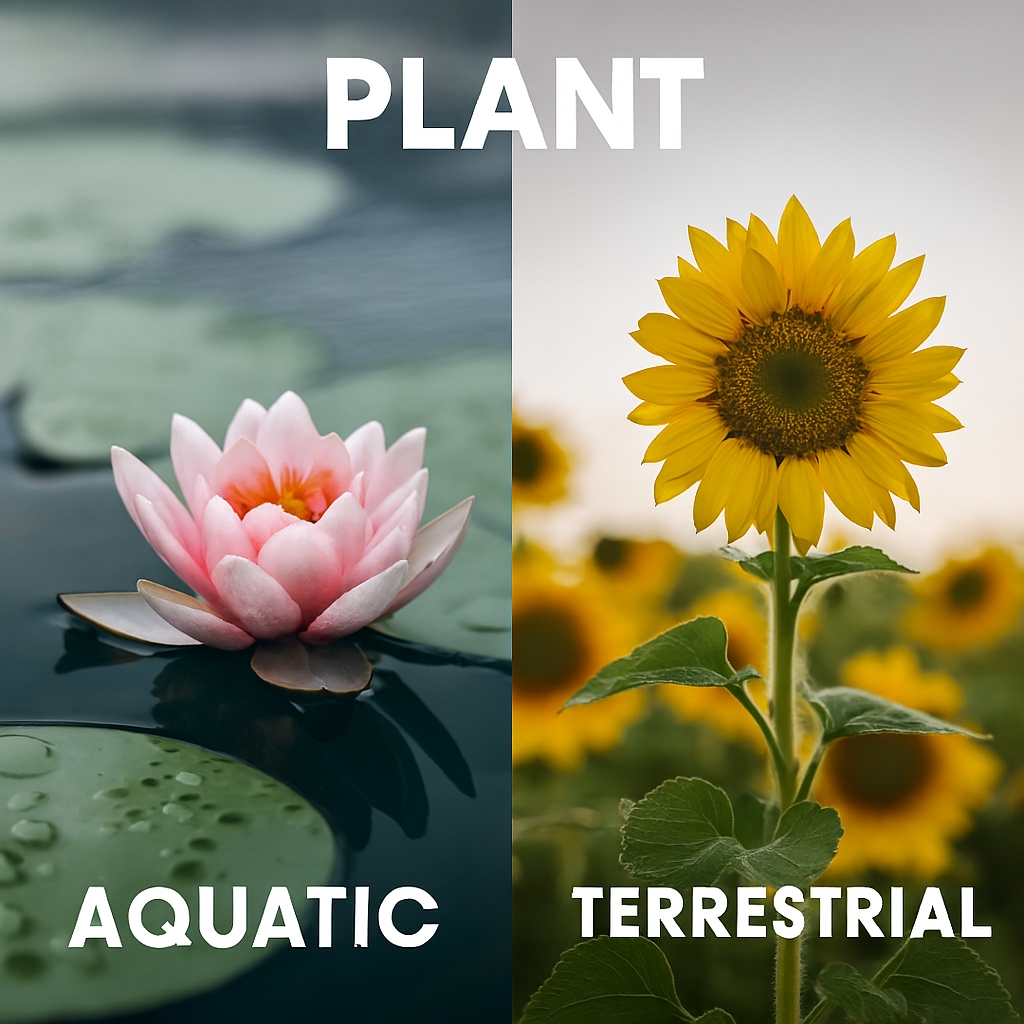
Forests act as carbon sinks, storing vast amounts of carbon and mitigating global warming. Grasslands support grazing species while maintaining soil health. Aquatic plants stabilize water ecosystems by oxygenating and providing cover for fish. Plants influence hydrological cycles by regulating transpiration and rainfall patterns. Their ecological role is dynamic, adapting to environmental pressures and human interventions.
Key Points – Ecological Contributions Of Plants
- Plants are primary producers that sustain food chains.
- They regulate atmospheric gases and climate stability.
- Roots prevent soil erosion and maintain fertility.
- Wetland plants filter water and improve quality.
- Forests act as carbon sinks, storing carbon.
- Grasslands support grazing species and soil health.
- Aquatic plants stabilize water ecosystems.
- Plants regulate hydrological cycles through transpiration.
- They provide habitats for diverse species.
- Their ecological role adapts to environmental pressures.
The Evolutionary Adaptations Of Plants – Responding To Change
Plants evolve through adaptations that allow them to survive in diverse environments, from deserts to rainforests. In arid regions, succulents store water in thick tissues, reducing evaporation. In wetlands, plants develop air-filled tissues to survive submerged conditions. Alpine plants grow low to the ground, resisting cold winds and conserving heat. Tropical plants develop large leaves to capture limited sunlight under dense canopies. Some species produce chemical defenses to deter herbivores, while others form symbiotic relationships with fungi to enhance nutrient absorption.
Evolutionary adaptations are responses to environmental pressures such as temperature, moisture, and competition. These changes ensure survival and reproduction across generations. Plants are not static entities but dynamic organisms that continuously adjust to external conditions. Their evolutionary journey reflects resilience and innovation in the face of challenges.
Adaptation Table – Examples Of Plant Responses
| Environment | Adaptation | Benefit |
|---|---|---|
| Desert | Water storage in tissues | Survival during drought |
| Wetland | Air-filled tissues | Oxygen supply underwater |
| Alpine | Low growth form | Resistance to cold winds |
| Tropical forest | Large leaves | Capture limited sunlight |
| Grassland | Deep roots | Access to water and nutrients |
| Herbivore-rich zones | Chemical defenses | Protection from grazing |
The Climate Influence Of Plants – Regulating Atmospheric Balance
Plants influence climate by controlling carbon dioxide levels through photosynthesis. Forests absorb vast amounts of carbon, reducing greenhouse gas concentrations. Grasslands regulate local climates by stabilizing soil and influencing rainfall. Wetlands act as buffers, absorbing excess water and moderating floods. Plants release water vapor through transpiration, affecting humidity and precipitation patterns. Deforestation disrupts these processes, leading to increased carbon emissions and climate instability. Reforestation restores balance by reintroducing carbon sinks. Agricultural practices also influence climate, depending on crop selection and soil management. Plants are integral to climate resilience, shaping both local and global weather systems. Their role in climate regulation highlights the importance of conservation and sustainable management.
Climate Points – Plant Influence On Atmosphere
- Plants absorb carbon dioxide and release oxygen.
- Forests act as major carbon sinks.
- Grasslands stabilize soil and influence rainfall.
- Wetlands moderate floods and absorb water.
- Transpiration affects humidity and precipitation.
- Deforestation increases carbon emissions.
- Reforestation restores atmospheric balance.
- Agricultural practices influence climate outcomes.
- Plants shape local and global weather systems.
- Conservation ensures climate resilience.
The Soil Connection Of Plants – Building Fertility
Plants interact with soil by drawing nutrients and water through roots. Their roots stabilize soil, preventing erosion and maintaining structure. Leaf litter decomposes into organic matter, enriching soil fertility. Plants form symbiotic relationships with fungi, enhancing nutrient absorption. Grasslands maintain soil health through deep root systems. Forests contribute to soil richness by recycling organic material. Agricultural crops depend on soil quality, requiring sustainable practices to prevent degradation. Soil microorganisms thrive in plant-rich environments, supporting nutrient cycles. Plants influence soil pH through root exudates. Their connection to soil ensures long-term ecosystem productivity.
Soil Table – Plant Contributions To Soil Health
| Contribution | Effect | Environmental Benefit |
|---|---|---|
| Root stabilization | Prevents erosion | Maintains soil structure |
| Leaf litter | Adds organic matter | Enriches fertility |
| Symbiosis with fungi | Enhances nutrient absorption | Supports plant growth |
| Deep roots | Access water and minerals | Maintain soil health |
| Organic recycling | Restores nutrients | Sustains ecosystems |
| Root exudates | Influence pH | Balance soil chemistry |
The Water Relationship Of Plants – Sustaining Hydrological Cycles
Plants regulate water cycles through transpiration, releasing vapor into the atmosphere. Their roots absorb water, influencing groundwater levels. Wetland plants filter pollutants, improving water quality. Forests capture rainfall, reducing runoff and maintaining aquifers. Grasslands regulate infiltration, ensuring water reaches deeper layers. Agricultural crops depend on irrigation, linking plants to human water use. Deforestation disrupts hydrological cycles, leading to floods and droughts. Reforestation restores water regulation by stabilizing landscapes. Plants influence rainfall distribution through atmospheric interactions. Their role in water cycles ensures ecosystem stability and human survival.
Water Points – Plant Influence On Hydrology
- Plants regulate water cycles through transpiration.
- Roots absorb water and influence groundwater.
- Wetland plants filter pollutants.
- Forests capture rainfall and reduce runoff.
- Grasslands regulate infiltration.
- Crops depend on irrigation.
- Deforestation disrupts hydrological cycles.
- Reforestation restores water regulation.
- Plants influence rainfall distribution.
- Water cycles ensure ecosystem stability.

The Energy Flow Of Plants – Driving Ecosystem Productivity
Plants are the primary drivers of energy flow in ecosystems because they convert solar radiation into chemical energy through photosynthesis. This process creates carbohydrates that serve as the foundation of food chains, sustaining herbivores and, indirectly, carnivores and omnivores. By capturing sunlight, plants transform an unlimited energy source into usable forms that circulate through ecosystems. Their role in energy flow is not limited to food production but extends to regulating atmospheric gases and influencing climate.
Energy captured by plants is stored in biomass, which becomes fuel for other organisms. Decomposition of plant matter releases nutrients back into the soil, continuing the cycle of productivity. Plants also influence energy distribution by shaping habitats and microclimates. Forest canopies regulate temperature and light penetration, while grasslands distribute energy across wide areas. Aquatic plants contribute to oxygenation and nutrient cycling in water systems. The energy flow facilitated by plants ensures ecosystem resilience and continuity.
Energy Table – Plant Contributions To Ecosystem Productivity
| Process | Energy Role | Ecological Impact |
|---|---|---|
| Photosynthesis | Converts sunlight to chemical energy | Sustains food chains |
| Biomass storage | Holds energy in tissues | Provides fuel for organisms |
| Decomposition | Releases nutrients | Continues productivity cycles |
| Canopy regulation | Controls temperature and light | Shapes microclimates |
| Aquatic oxygenation | Adds dissolved oxygen | Supports aquatic life |
The Genetic Diversity Of Plants – Ensuring Adaptability
Genetic diversity in plants is critical for adaptability and resilience in changing environments. Variation within species allows plants to survive different conditions, from droughts to floods. Diverse genetic traits enable resistance to pests and diseases, reducing vulnerability. Cross-pollination spreads genetic material, increasing variability and strengthening populations. Seed dispersal mechanisms ensure wide distribution, enhancing survival chances. Genetic diversity supports ecosystem stability by maintaining species richness. It also provides resources for agriculture, medicine, and biotechnology. Loss of diversity through monoculture or habitat destruction reduces resilience and increases risk. Conservation of plant diversity ensures long-term ecological balance. Genetic adaptability reflects the evolutionary strength of plants in responding to environmental pressures.
Key Points – Importance Of Genetic Diversity
- Genetic variation ensures adaptability to changing environments.
- Diversity provides resistance to pests and diseases.
- Cross-pollination spreads genetic material.
- Seed dispersal enhances survival chances.
- Diversity supports ecosystem stability.
- Agriculture depends on genetic resources.
- Medicine benefits from plant diversity.
- Biotechnology relies on genetic variation.
- Loss of diversity reduces resilience.
- Conservation ensures ecological balance.
The Human Relationship With Plants – Shaping Civilizations
Plants have shaped human civilizations by providing food, medicine, shelter, and cultural identity. Agriculture allowed societies to settle and grow, transforming nomadic lifestyles into structured communities. Crops such as wheat, rice, and maize became staples, sustaining populations across continents. Medicinal plants offered remedies long before modern pharmaceuticals. Timber provided building materials, while fibers like cotton and flax supported clothing production. Plants also hold symbolic meaning in rituals, traditions, and art. Human dependence on plants extends to oxygen supply and climate regulation. Industrialization increased exploitation, leading to deforestation and habitat loss. Sustainable practices aim to balance human needs with environmental preservation. The relationship between humans and plants reflects both reliance and responsibility.
Human-Plant Table – Contributions To Civilization
| Contribution | Human Benefit | Cultural Impact |
|---|---|---|
| Agriculture | Food supply | Foundation of societies |
| Medicine | Natural remedies | Traditional healing |
| Timber | Shelter and tools | Architectural heritage |
| Fibers | Clothing materials | Cultural identity |
| Symbolism | Rituals and art | Spiritual meaning |
The Seasonal Changes Of Plants – Responding To Cycles
Plants undergo seasonal changes that reflect environmental rhythms. In temperate regions, deciduous trees shed leaves in autumn to conserve energy during winter. Spring triggers new growth as temperatures rise and daylight increases. Summer brings peak photosynthesis, maximizing energy capture. Autumn prepares plants for dormancy, redistributing nutrients. Seasonal cycles influence flowering, pollination, and seed dispersal. These changes synchronize with animal behaviors, such as migration and reproduction. Tropical plants experience wet and dry seasons, adjusting growth accordingly. Seasonal changes ensure survival by aligning biological processes with environmental conditions. Human agriculture depends on seasonal cycles for planting and harvesting. The rhythm of plant life reflects adaptation to predictable environmental shifts.
Seasonal Points – Plant Responses To Cycles
- Deciduous trees shed leaves in autumn.
- Spring triggers new growth.
- Summer maximizes photosynthesis.
- Autumn redistributes nutrients.
- Seasonal cycles influence reproduction.
- Animal behaviors align with plant cycles.
- Tropical plants adjust to wet and dry seasons.
- Agriculture depends on seasonal rhythms.
- Seasonal changes ensure survival.
- Plant life reflects environmental adaptation.

The Symbiotic Relationships Of Plants – Building Interconnected Systems
Plants form symbiotic relationships with other organisms that enhance survival and ecosystem stability. Mycorrhizal fungi attach to plant roots, increasing nutrient absorption while receiving carbohydrates in return. Nitrogen-fixing bacteria in legumes enrich soil fertility by converting atmospheric nitrogen into usable forms.
Pollinators such as bees, birds, and bats ensure reproduction by transferring pollen between flowers. Epiphytic plants grow on other plants without harming them, gaining access to sunlight and moisture. Some plants form mutualistic bonds with ants, which protect them from herbivores in exchange for nectar. These relationships demonstrate cooperation rather than competition, strengthening ecosystems. Symbiosis allows plants to thrive in diverse environments by sharing resources and services. Human agriculture benefits from these natural partnerships, improving crop yields and soil health. The interconnectedness of plants and other organisms reflects the complexity of ecological systems.
Symbiosis Table – Plant Partnerships
| Relationship | Partner | Benefit To Plant | Benefit To Partner |
|---|---|---|---|
| Mycorrhizae | Fungi | Enhanced nutrient absorption | Carbohydrates supply |
| Nitrogen fixation | Bacteria | Soil fertility improvement | Shelter and energy |
| Pollination | Bees, birds, bats | Reproduction ensured | Nectar and food |
| Epiphytism | Host plants | Access to sunlight | Minimal impact |
| Ant protection | Ant colonies | Defense from herbivores | Nectar reward |
The Urban Role Of Plants – Shaping Human Environments
Plants in urban environments provide essential ecological and social benefits. Trees reduce air pollution by absorbing carbon dioxide and filtering particulates. Green spaces moderate temperatures, reducing the urban heat island effect. Parks and gardens offer recreational areas, improving mental health and community well-being. Plants in cities support biodiversity by providing habitats for birds and insects.
Rooftop gardens and vertical greenery enhance building efficiency by insulating structures. Urban agriculture supplies fresh produce, reducing reliance on external food systems. Plants also improve stormwater management by absorbing rainfall and reducing runoff. Their presence increases property values and strengthens cultural identity. Urban environments depend on plants for resilience against climate challenges. The integration of plants into cities reflects the balance between human development and ecological sustainability.
Urban Points – Plant Contributions To Cities
- Trees reduce air pollution and filter particulates.
- Green spaces moderate urban heat.
- Parks improve mental health and well-being.
- Urban plants support biodiversity.
- Rooftop gardens insulate buildings.
- Urban agriculture supplies fresh produce.
- Plants improve stormwater management.
- Presence increases property values.
- Plants strengthen cultural identity.
- Cities depend on plants for resilience.
The Cultural Significance Of Plants – Symbolism And Identity
Plants hold cultural significance across societies, symbolizing life, renewal, and identity. Sacred trees feature in religious traditions, representing wisdom and continuity. Flowers symbolize emotions, from love to mourning, shaping rituals and ceremonies. National plants and flowers embody cultural pride, serving as emblems of heritage. Agricultural crops define cuisines and traditions, linking food to identity. Plants inspire art, literature, and music, reflecting human connection to nature. They are used in festivals, celebrations, and seasonal rituals. Cultural landscapes integrate plants into architecture and design, shaping aesthetic values. Plants also symbolize resilience, growth, and transformation in human narratives. Their cultural role extends beyond utility, embedding meaning in daily life. The symbolism of plants reflects the deep bond between humans and nature.
Cultural Table – Plant Symbolism
| Plant | Symbolism | Cultural Role |
|---|---|---|
| Oak tree | Strength and wisdom | Sacred traditions |
| Lotus | Purity and renewal | Religious rituals |
| Rose | Love and passion | Ceremonies and art |
| Wheat | Sustenance and fertility | Agricultural heritage |
| Bamboo | Resilience and flexibility | Architectural design |
The Threats To Plants – Challenges In Modern Environments
Plants face numerous threats that challenge survival and ecological stability. Deforestation removes habitats, reducing biodiversity and carbon storage. Climate change alters rainfall, temperature, and growing conditions, stressing plant populations. Pollution contaminates soil and water, impairing plant health. Invasive species outcompete native plants, disrupting ecosystems. Overharvesting of medicinal and timber plants reduces natural resources. Urbanization fragments habitats, limiting plant distribution. Agricultural monocultures reduce genetic diversity and resilience. Pests and diseases spread rapidly in weakened ecosystems. Loss of plants threatens food security and climate regulation. Addressing these threats requires conservation, sustainable practices, and global cooperation.
Threat Points – Challenges To Plant Survival
- Deforestation reduces biodiversity.
- Climate change alters growing conditions.
- Pollution contaminates soil and water.
- Invasive species disrupt ecosystems.
- Overharvesting reduces resources.
- Urbanization fragments habitats.
- Monocultures reduce genetic diversity.
- Pests and diseases spread rapidly.
- Loss threatens food security.
- Conservation is essential for survival.

The Restoration Of Plants – Recovering Damaged Ecosystems
Plants play a central role in ecological restoration by reestablishing balance in degraded environments. Reforestation projects restore forests that have been cleared, bringing back biodiversity and stabilizing climate. Wetland restoration reintroduces native plants that filter water and provide habitats for aquatic species. Grassland rehabilitation involves planting deep-rooted species that prevent erosion and rebuild soil fertility. Coastal restoration uses mangroves and salt-tolerant plants to protect shorelines from storms and rising seas. Urban greening initiatives plant trees and shrubs to improve air quality and reduce heat.
Restoration efforts rely on native species to ensure ecological compatibility and resilience. Plants accelerate recovery by stabilizing soil, regulating water, and attracting wildlife. Human involvement in restoration reflects recognition of the importance of plants in sustaining life. Successful restoration projects demonstrate the power of plants to heal damaged ecosystems.
Restoration Table – Plant Roles In Recovery
| Restoration Type | Plant Role | Environmental Benefit |
|---|---|---|
| Reforestation | Rebuild forests | Biodiversity and carbon storage |
| Wetland restoration | Filter water | Habitat for aquatic species |
| Grassland rehabilitation | Deep-rooted planting | Soil fertility and erosion control |
| Coastal restoration | Mangroves and salt plants | Shoreline protection |
| Urban greening | Trees and shrubs | Air quality and heat reduction |
The Future Of Plants – Facing Global Change
The future of plants is shaped by global challenges such as climate change, urbanization, and technological innovation. Rising temperatures and shifting rainfall patterns alter plant growth and distribution. Genetic engineering introduces new possibilities for crops resistant to drought and pests. Urban expansion requires integration of plants into built environments through green infrastructure. Conservation efforts aim to preserve biodiversity in the face of habitat loss.
Renewable energy projects depend on biofuels derived from plant matter. Global food security relies on sustainable agriculture that balances productivity with ecological health. Plants will continue to adapt, but human choices determine the extent of their survival. The future of plants reflects both resilience and vulnerability in a rapidly changing world. Their role remains indispensable in sustaining ecosystems and human societies.
Future Points – Plant Challenges And Opportunities
- Climate change alters growth and distribution.
- Genetic engineering creates resilient crops.
- Urban expansion integrates plants into infrastructure.
- Conservation preserves biodiversity.
- Biofuels support renewable energy.
- Food security depends on sustainable agriculture.
- Plants adapt to global pressures.
- Human choices determine survival.
- Future reflects resilience and vulnerability.
- Plants remain indispensable for ecosystems.
The Ethical Dimension Of Plants – Responsibility And Stewardship
Plants raise ethical questions about human responsibility in managing ecosystems. Their role as living organisms demands respect beyond utility. Ethical stewardship involves conserving biodiversity and preventing exploitation. Sustainable agriculture balances human needs with ecological health. Protecting endangered plant species reflects moral responsibility to future generations. Urban planning must integrate green spaces to ensure environmental justice. Ethical considerations extend to biotechnology, where genetic modification must be carefully regulated. Indigenous traditions emphasize respect for plants as sacred beings, offering lessons in stewardship. Ethical frameworks guide conservation policies and global cooperation. Plants embody values of resilience, balance, and continuity. Recognizing their ethical dimension strengthens human commitment to environmental sustainability.
Ethics Table – Plant Responsibility
| Ethical Aspect | Human Responsibility | Environmental Outcome |
|---|---|---|
| Conservation | Protect biodiversity | Long-term stability |
| Agriculture | Balance productivity | Ecological health |
| Endangered species | Prevent extinction | Future resilience |
| Urban planning | Integrate green spaces | Environmental justice |
| Biotechnology | Regulate modification | Safe innovation |
| Indigenous traditions | Respect plants | Cultural continuity |
The Scientific Study Of Plants – Expanding Knowledge
Botany, the scientific study of plants, explores their biology, ecology, and evolution. Researchers investigate photosynthesis to understand energy conversion. Genetic studies reveal diversity and adaptability across species. Ecologists examine plant interactions with soil, water, and climate. Paleobotany studies fossilized plants, uncovering evolutionary history. Biotechnology applies plant science to agriculture, medicine, and industry. Remote sensing tracks vegetation changes across landscapes. Climate science relies on plant data to model carbon cycles. Scientific study informs conservation strategies and sustainable practices. Knowledge of plants continues to expand, shaping human understanding of ecosystems. Science reveals the complexity and importance of plants in sustaining life.
Scientific Points – Plant Research Areas
- Botany explores biology and ecology.
- Photosynthesis research reveals energy conversion.
- Genetics uncovers diversity and adaptability.
- Ecology examines soil, water, and climate interactions.
- Paleobotany studies evolutionary history.
- Biotechnology applies plant science to industry.
- Remote sensing tracks vegetation changes.
- Climate science models carbon cycles.
- Conservation strategies rely on plant data.
- Science expands human understanding of ecosystems.
Reinforced Conclusion – Plants As The Foundation Of Life
Plants in the environment mean far more than biological organisms; they represent the foundation of ecosystems, climate regulation, soil fertility, and water cycles. Their changes reflect adaptation to pressures, resilience in survival, and transformation of landscapes. Plants embody interconnectedness, linking energy, biodiversity, and human civilization. Their future depends on conservation, sustainable practices, and ethical stewardship. Without plants, ecosystems collapse, climate destabilizes, and human survival is threatened. Recognizing their meaning and changes highlights the urgency of protecting them. Plants are not passive elements but active agents of environmental balance. Their role is indispensable in shaping the future of life on Earth.
Join The Discussion – Share Your Perspective
Plants influence every aspect of environmental health, from climate resilience to cultural identity. How do you believe society should balance human progress with the preservation of plant life?
#PlantScience #EnvironmentalBalance #ClimateChange #SoilFertility #WaterCycles #Biodiversity #SustainableLiving #EcologicalRestoration #FutureOfPlants #EthicalStewardship







Leave a Reply